Gascoigne
Series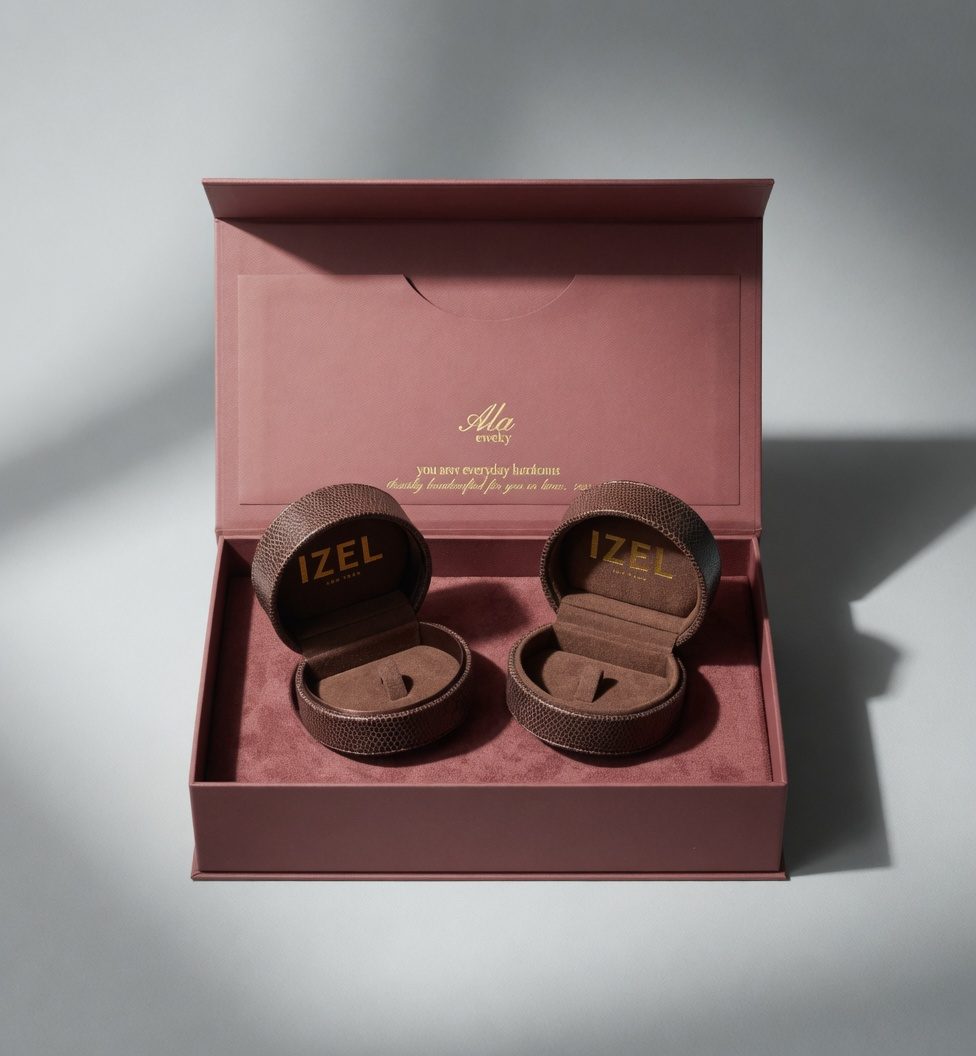

China factory-direct · Custom jewelry packaging
Packaging boxes for jewelry — custom ring, pendant, bracelet, earring and set boxes, China factory-direct for brands, retailers and wholesalers. Box Father’s packaging boxes are custom jewelry boxes built for brands, retailers and wholesalers — ring, pendant, bracelet, earring and set structures with tailored inserts and finishes. We manufacture China factory-direct, with in-house design support and QC, so structure, material and branding can match your collection. For the full path from brief to shipment, see custom packaging. Packaging guides cover briefing, inserts, materials, matched systems, and retail vs e‑commerce.
Ring, pendant, bracelet and set boxes can be built around your jewelry sizes and presentation style. We support custom structure and insert layouts so pieces sit securely and look intentional when the lid opens. For matching inserts by jewelry type, see the jewelry box insert guide. More insert & materials guides.
Choose materials and finishes that match your brand — including suede, velvet, leatherette and related options used across our packaging lines. Color, branding and detailing are developed with your brief in mind. Compare velvet, suede, leatherette, microfiber & board.
Choose a structure around how the piece is worn and presented — inserts and outer finishes stay brand-matched across SKUs.
For brands and retailers needing proposal, bridal, or daily ring SKUs. Single or dual ring inserts with a secure sit when the lid opens, and branding on exterior or interior as your brief allows. Brief a custom ring box, or see the full custom process.
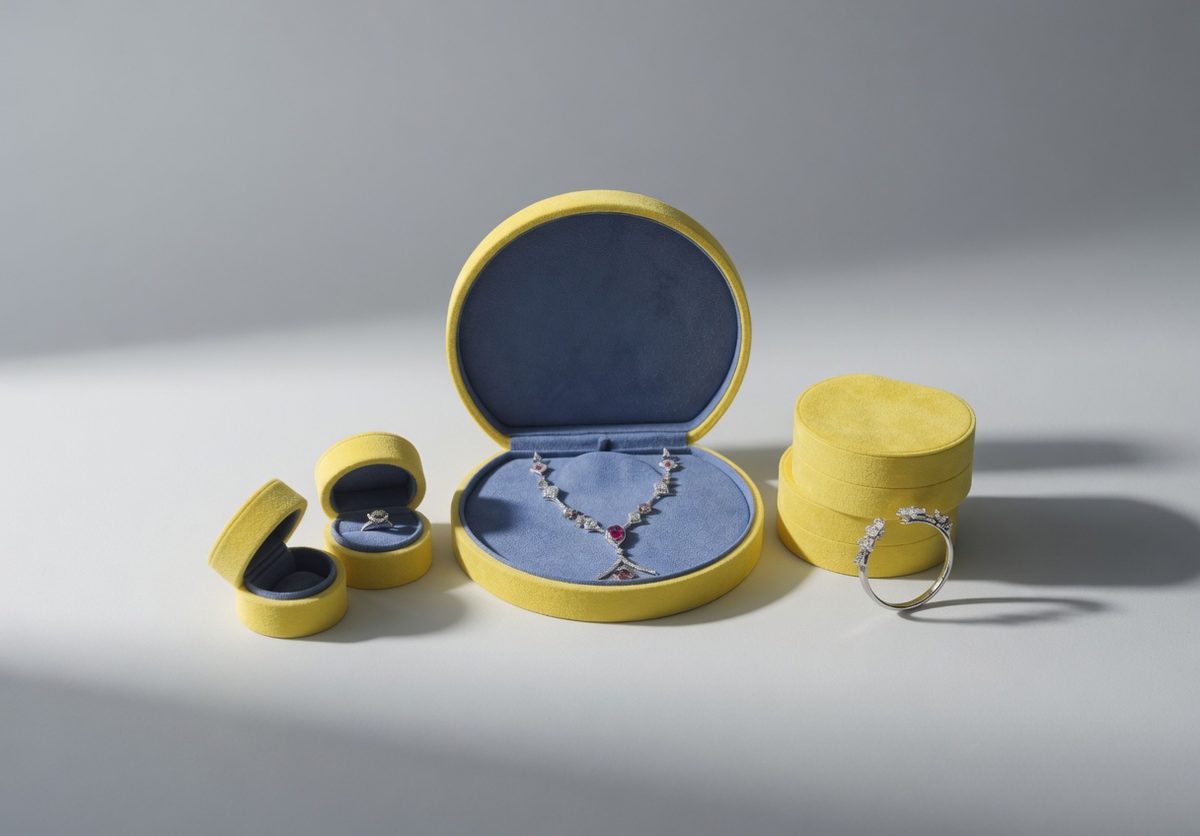
Built for pendant-led and chain-length SKUs — pendant wells, necklace length and chain management, and rigid or folder-style options to discuss for your collection. Series photos below are visual references, not a stock catalog claim.
For bangles, cuffs and bracelets that need length and width clearance — insert channels, and set-with-bracelet options when you present multiple pieces together.
Studs, drops and hoops with pair inserts and a travel-safe hold for retail and gift presentation.
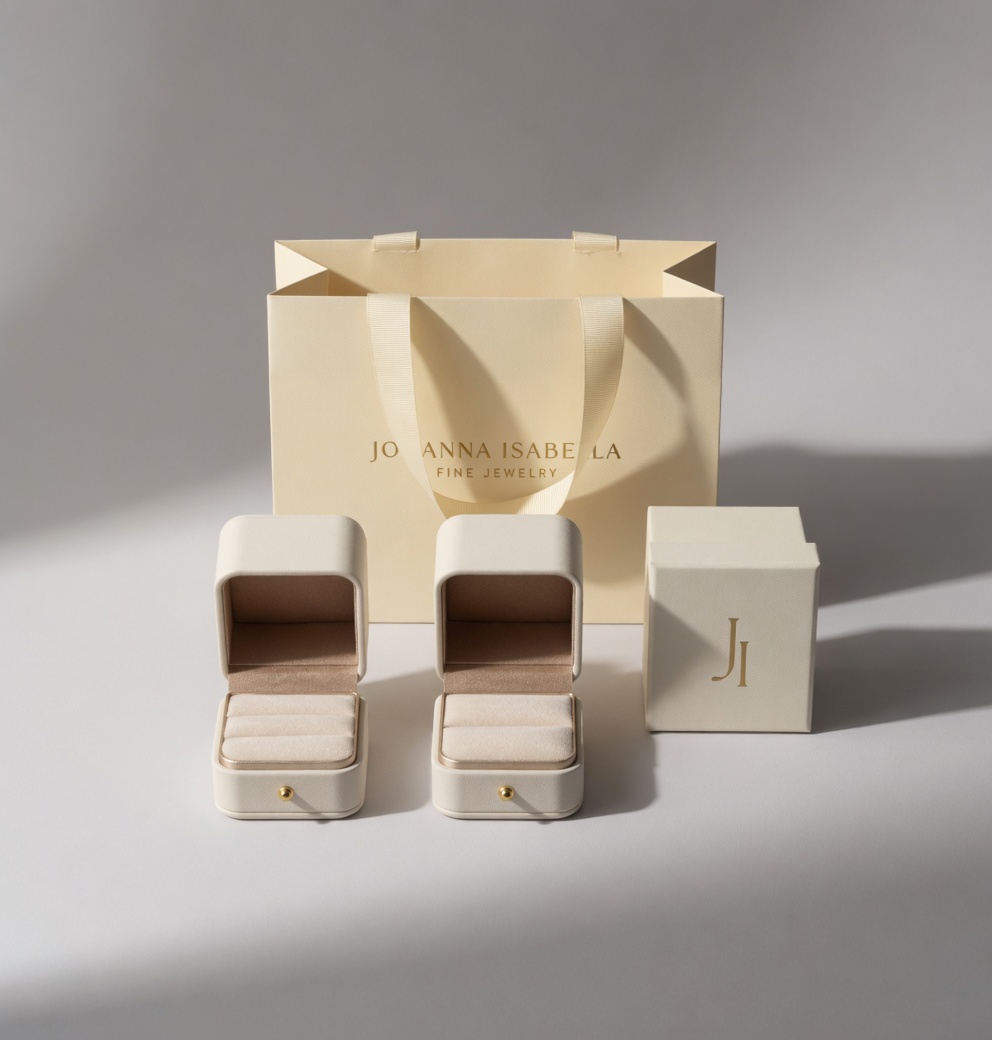
Multi-piece trays and coordinated unboxing for collections — shared outer brand system with inner compartments, and the option to match pouches and shopping bags. Planning finish and branding across categories? See the matched jewelry packaging system guide. Store handoff and e‑commerce unboxing? See retail vs e‑commerce jewelry packaging.
Start the custom packaging process — consultation through shipping for any of the structures above.
Share style references, quantities, material preferences and destination. See the jewelry box insert guide, how to brief your factory, the full custom packaging process, or request a quote via the Get a Quote form, WhatsApp or email — and explore matching jewelry displays, shopping bags and pouches.
Gallery
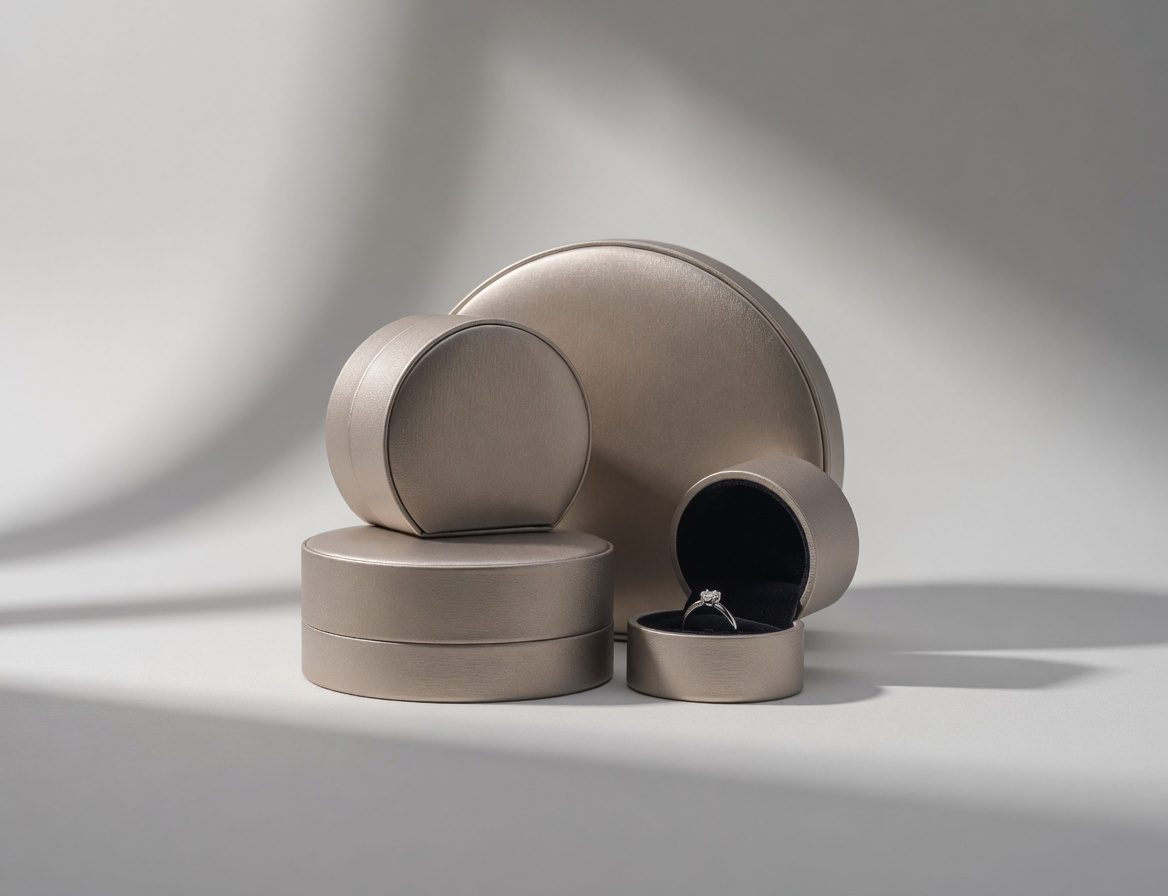
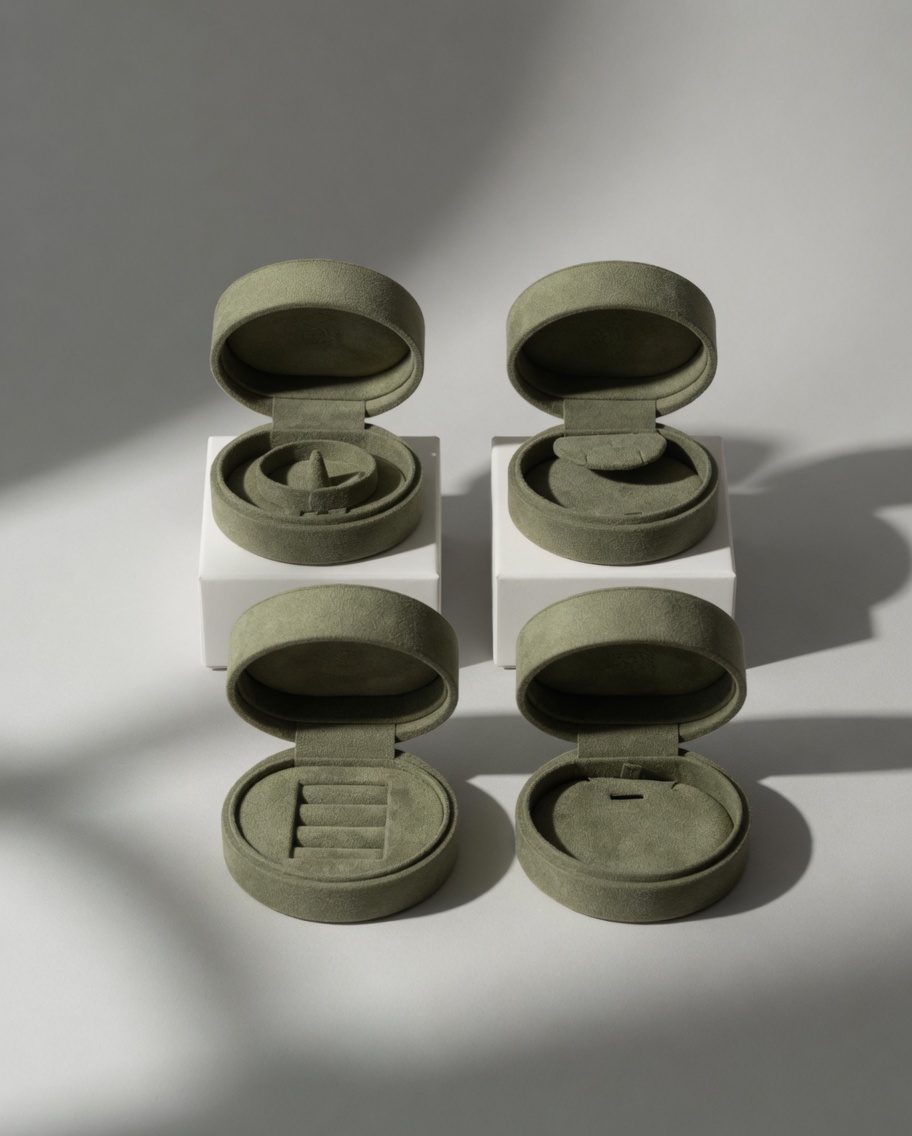
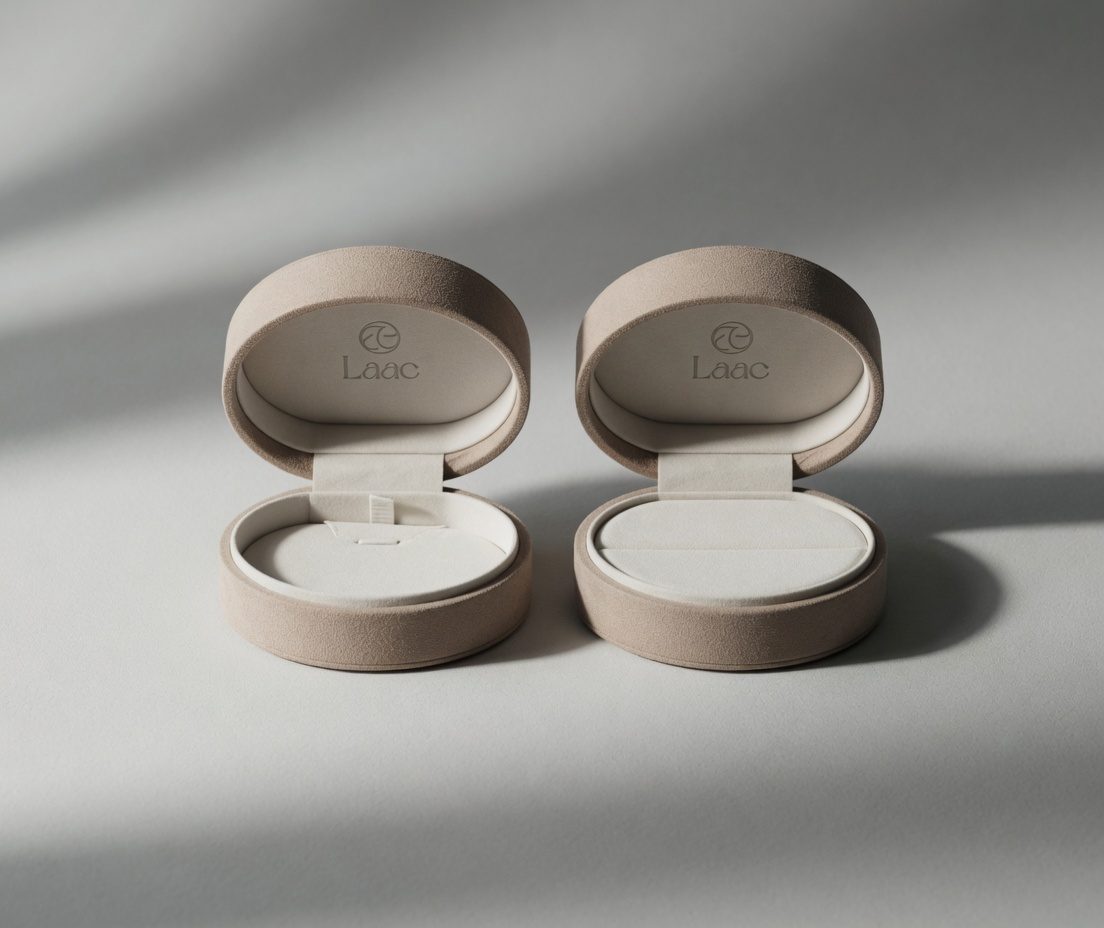
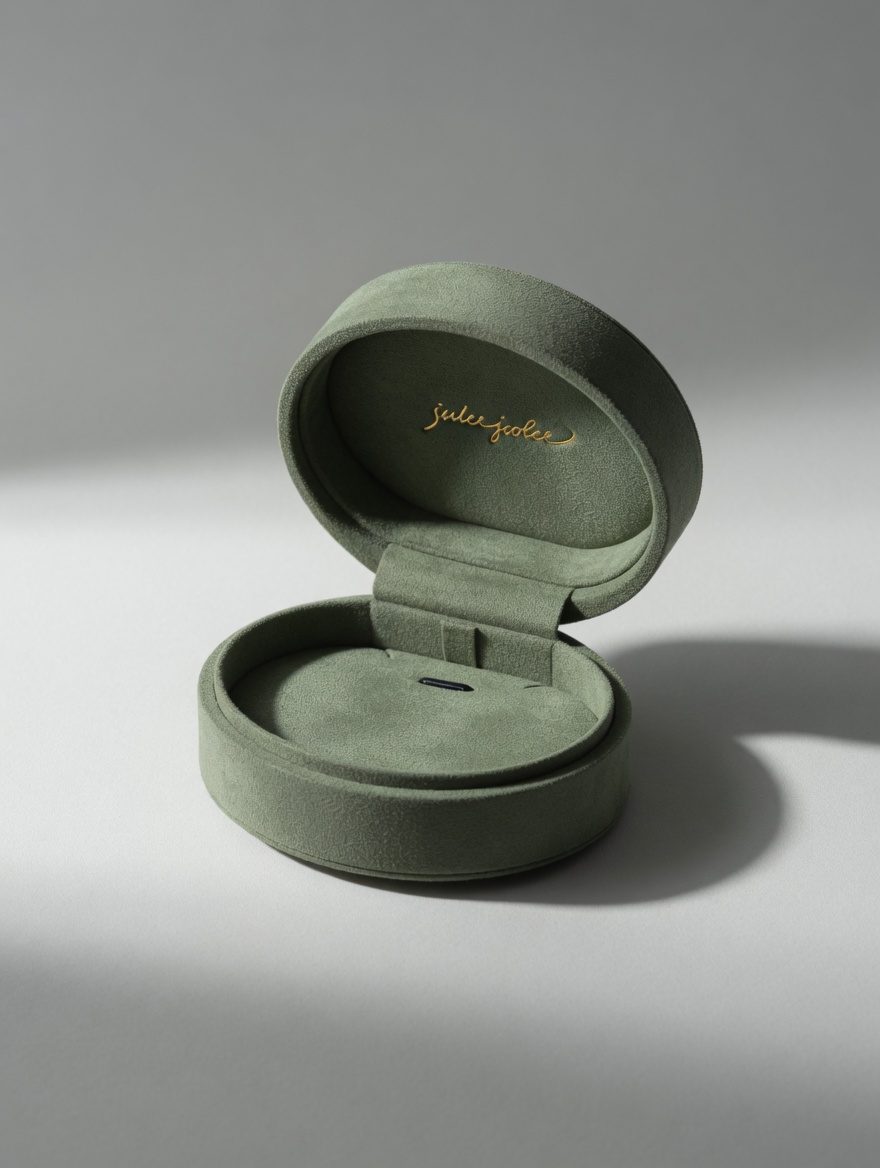
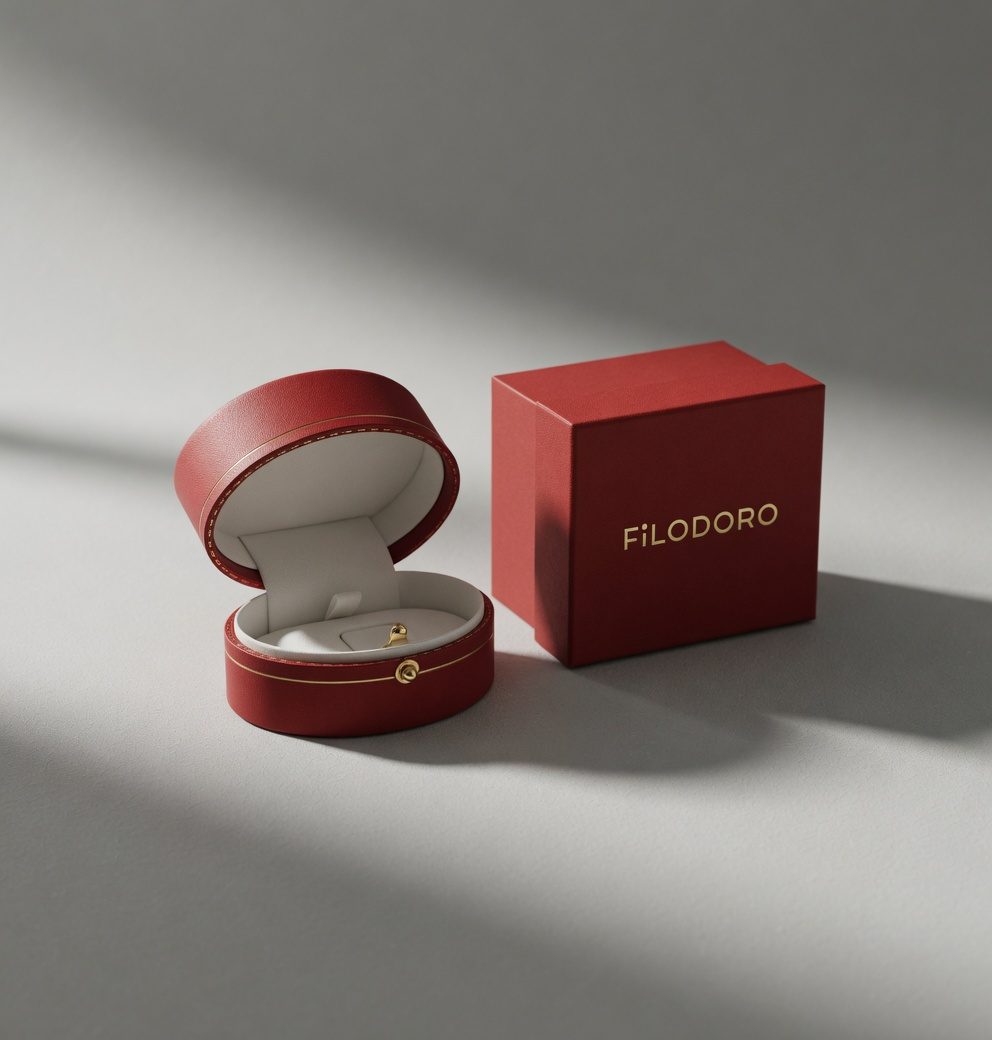
A look at selected series from our packaging lines — structures, inserts and finishes vary by brief. Ask for current samples when you enquire.
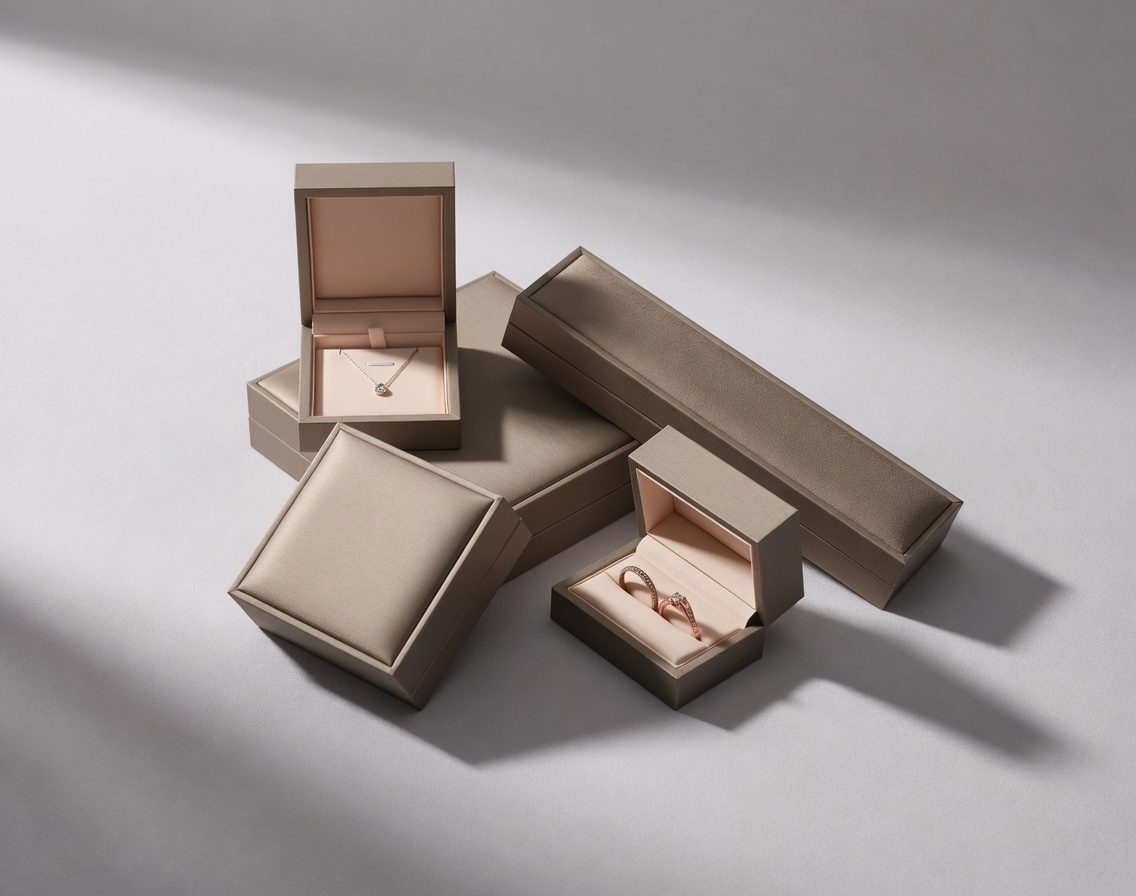
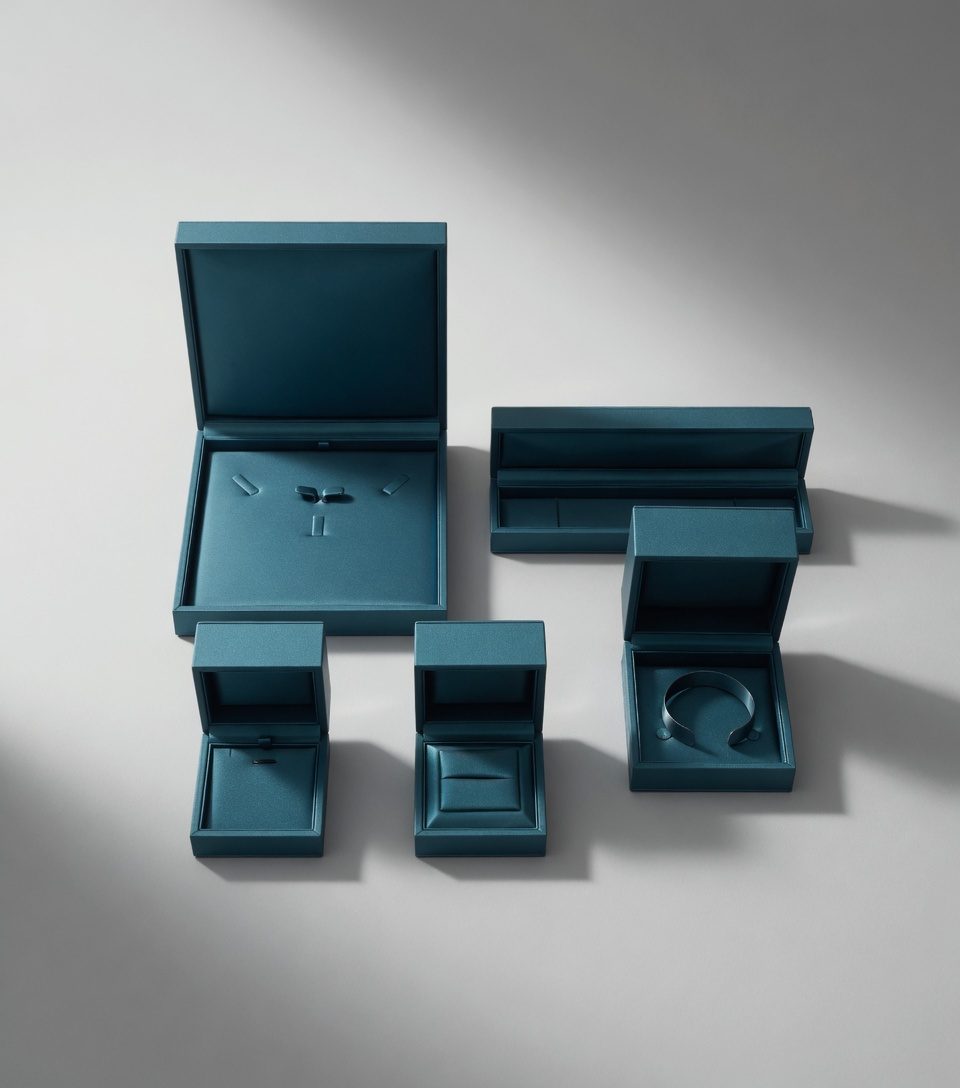
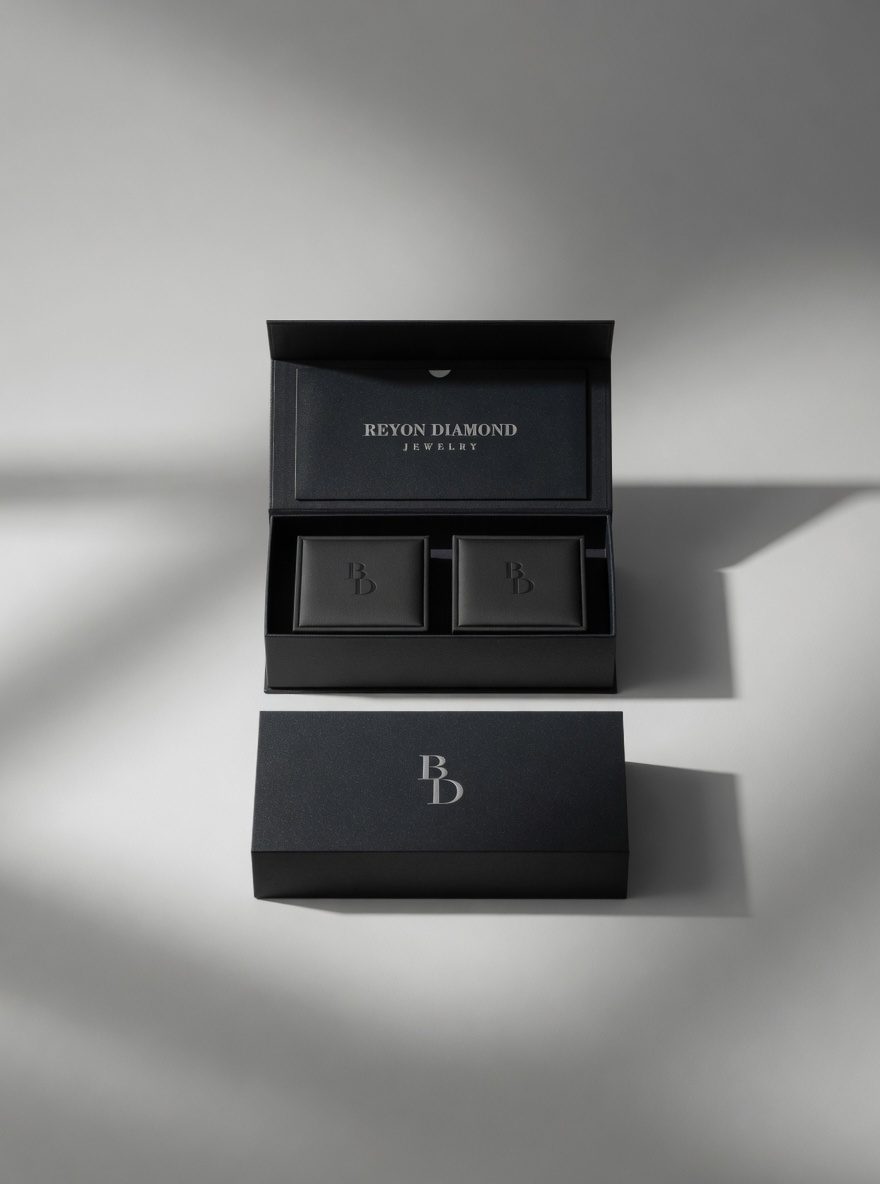
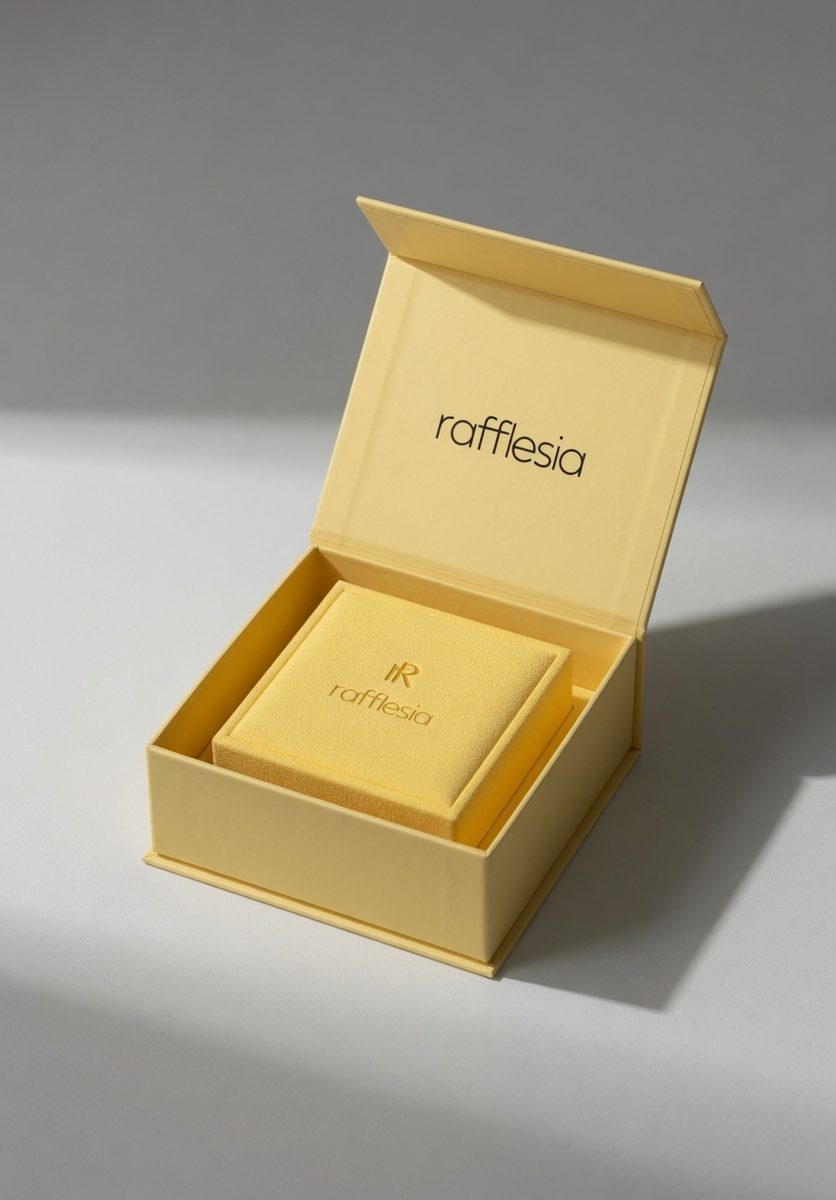
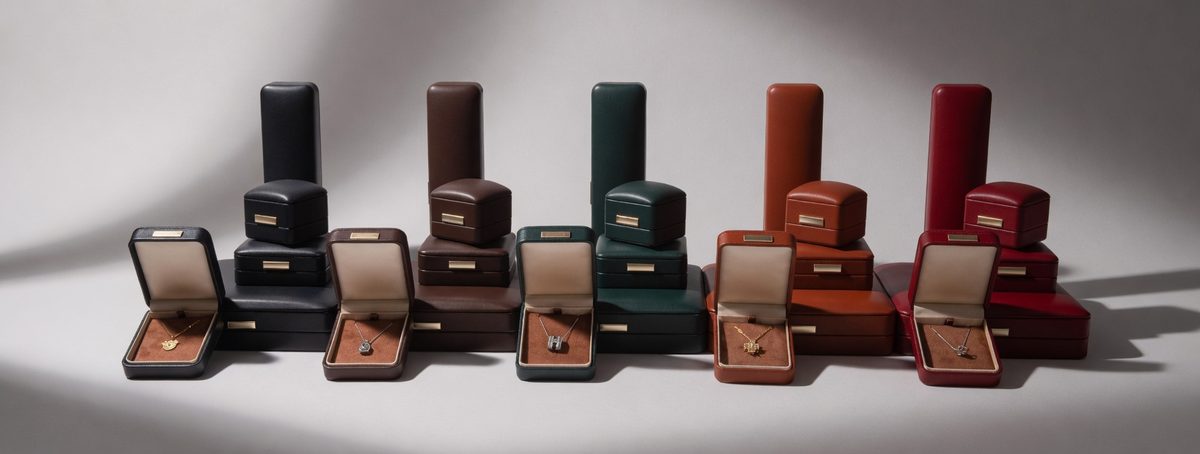
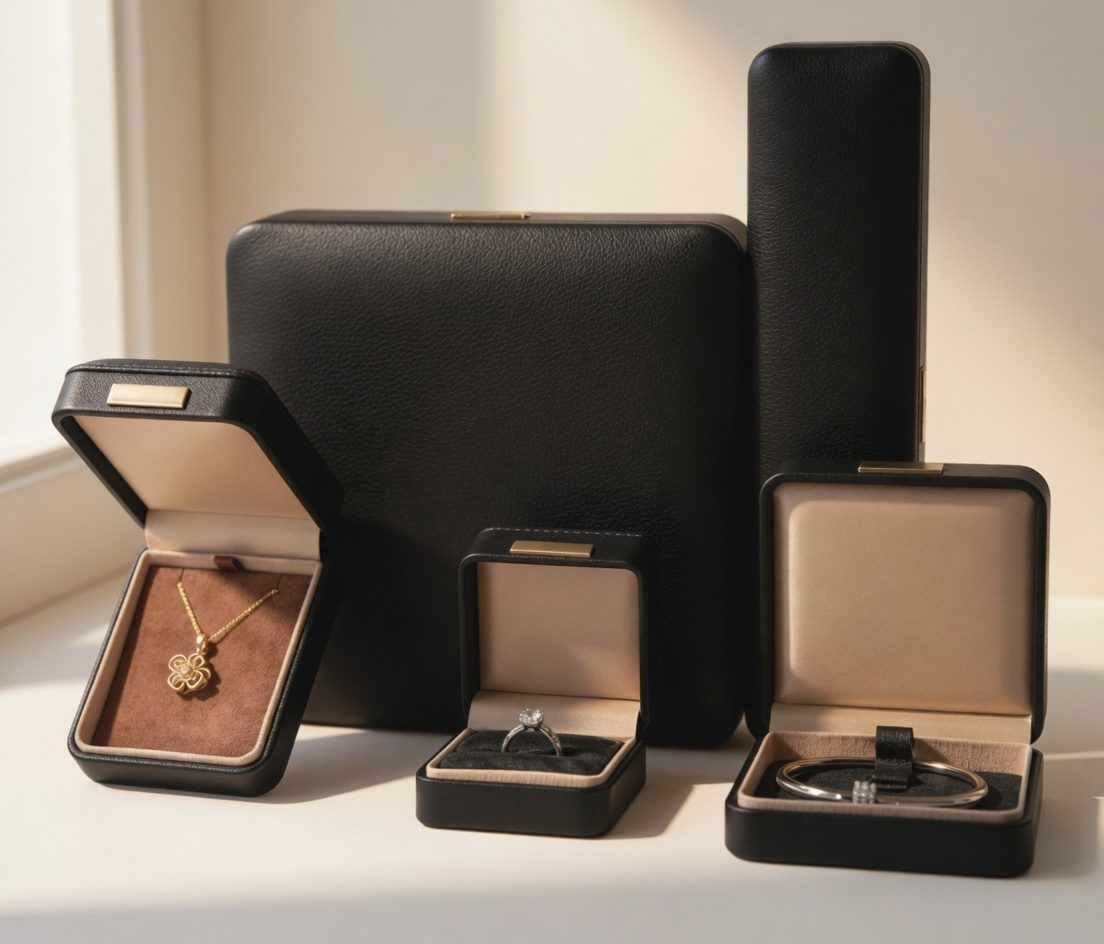
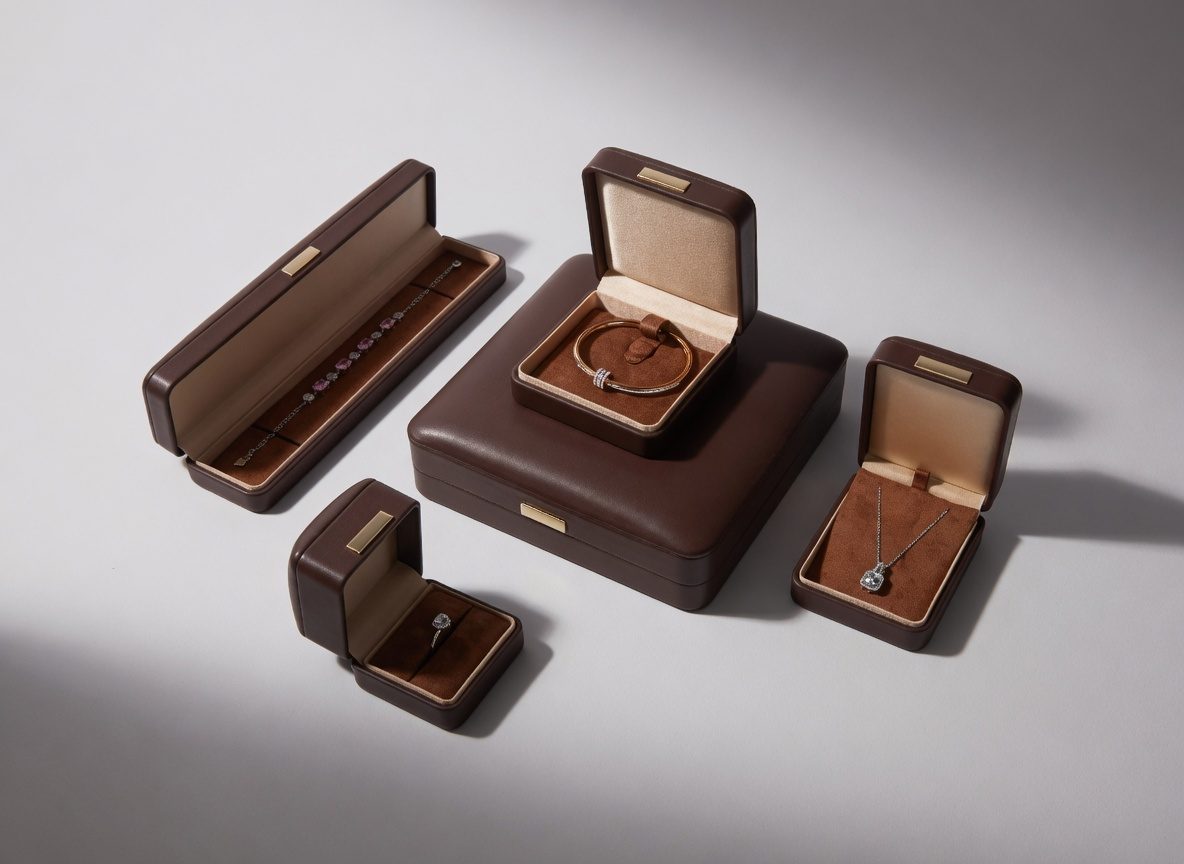
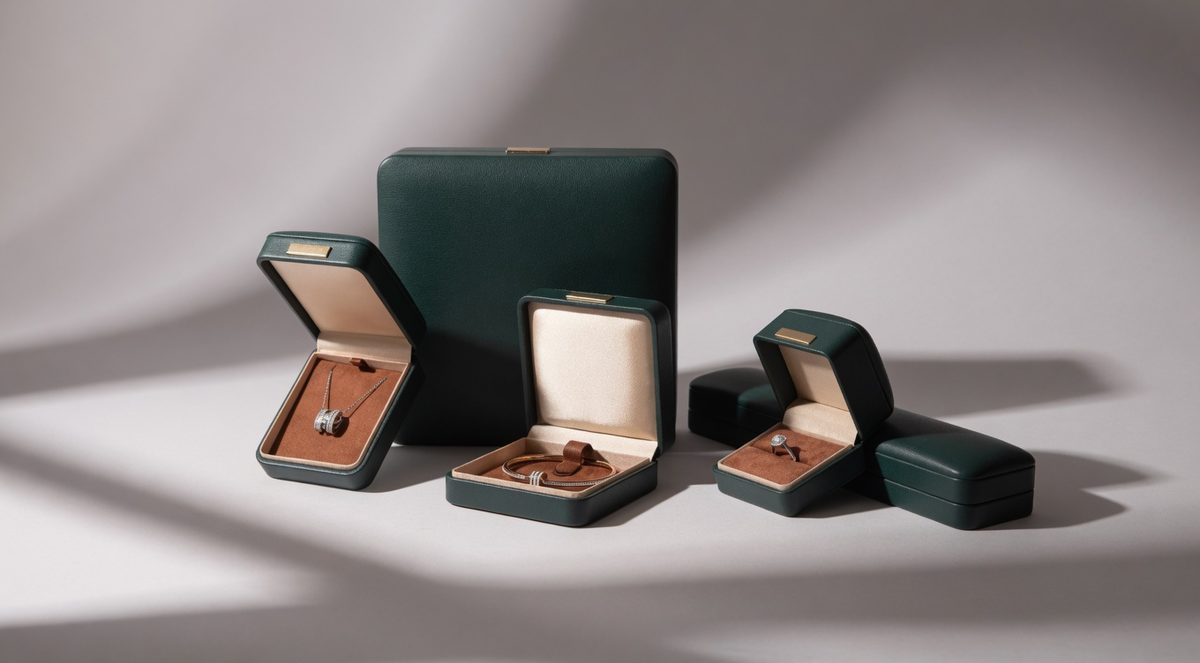
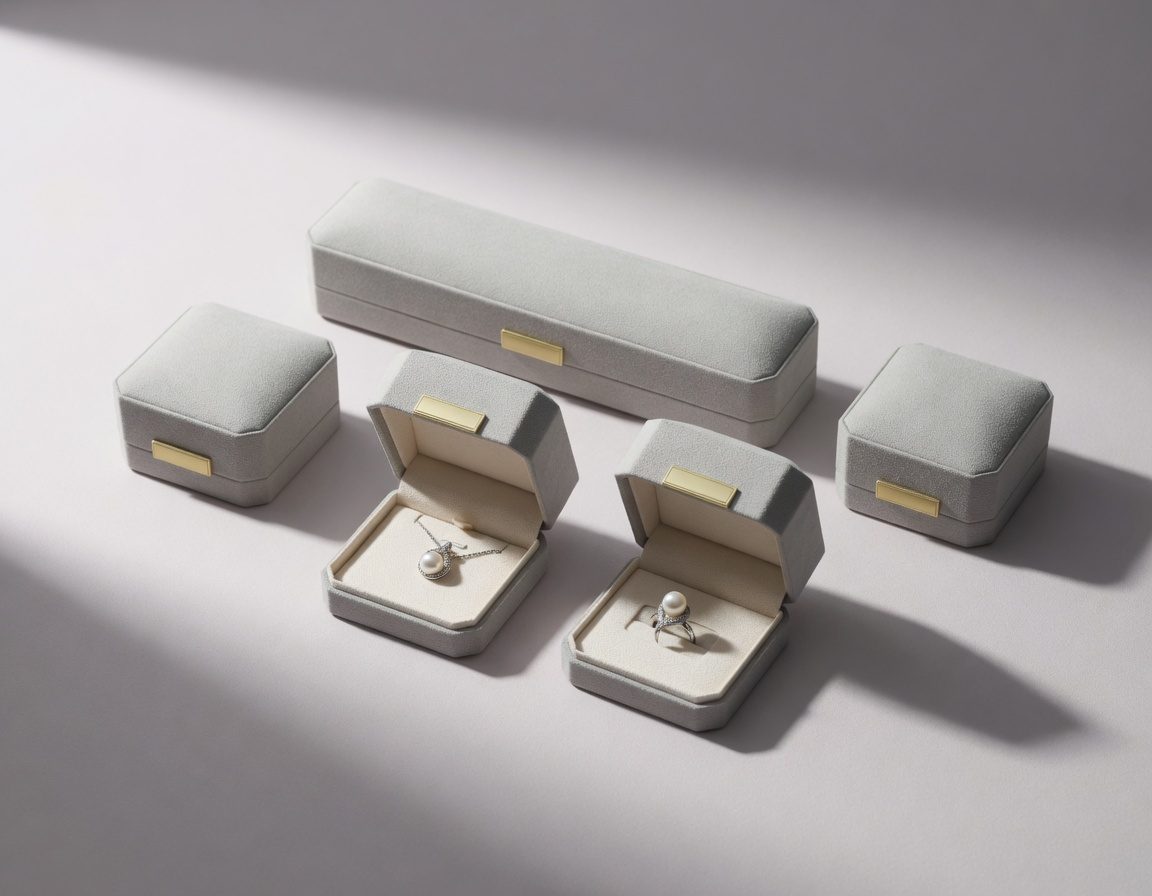
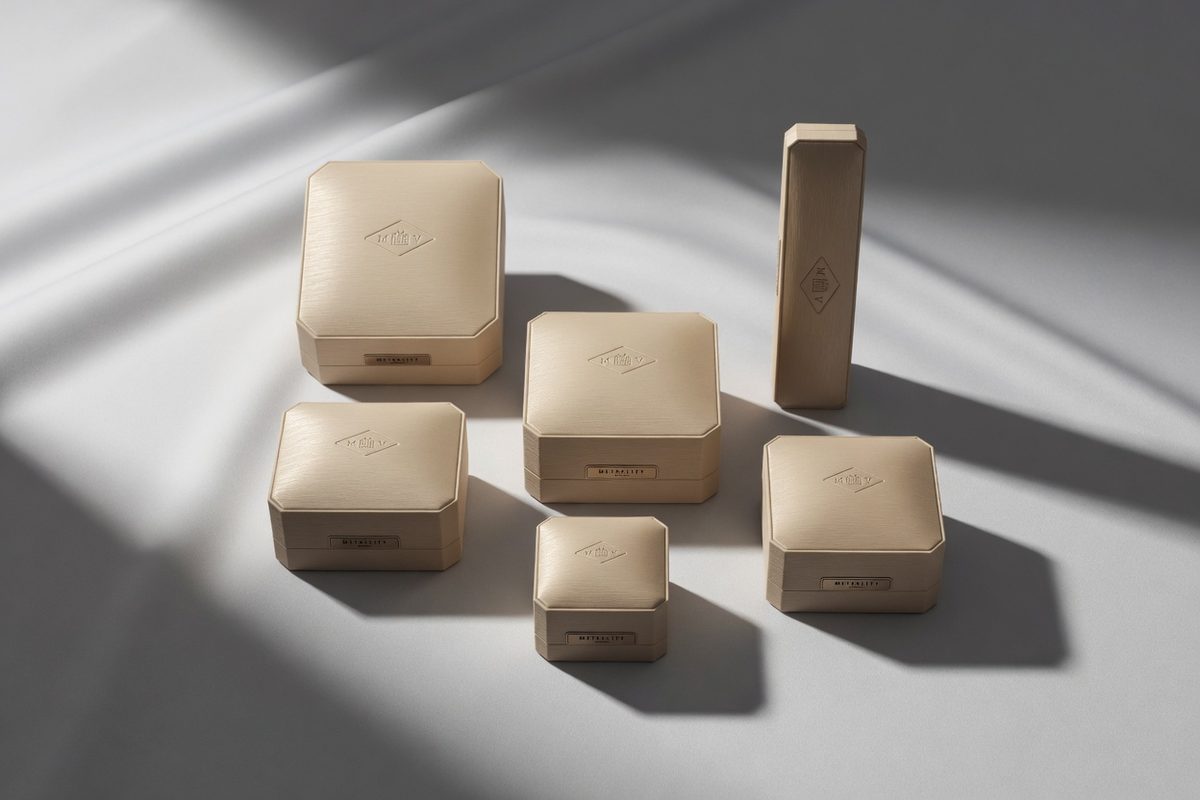
Apollo
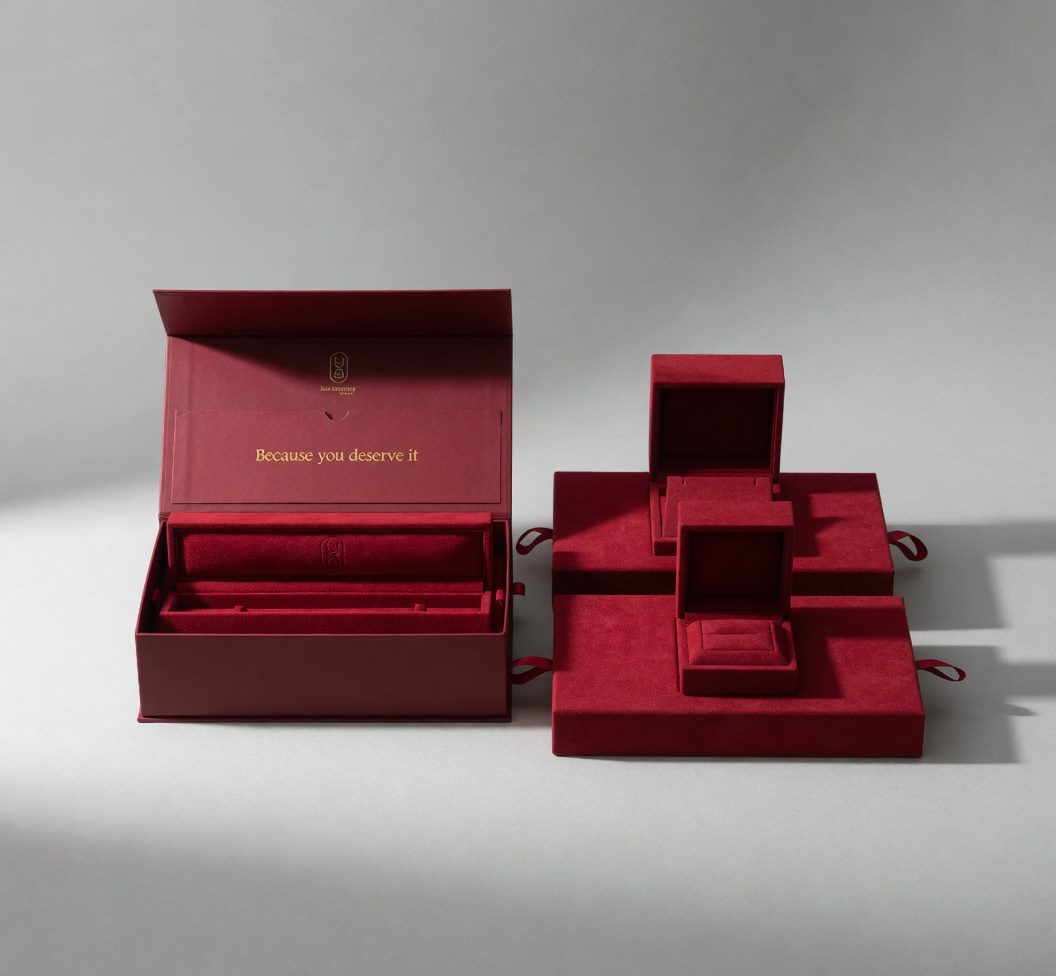
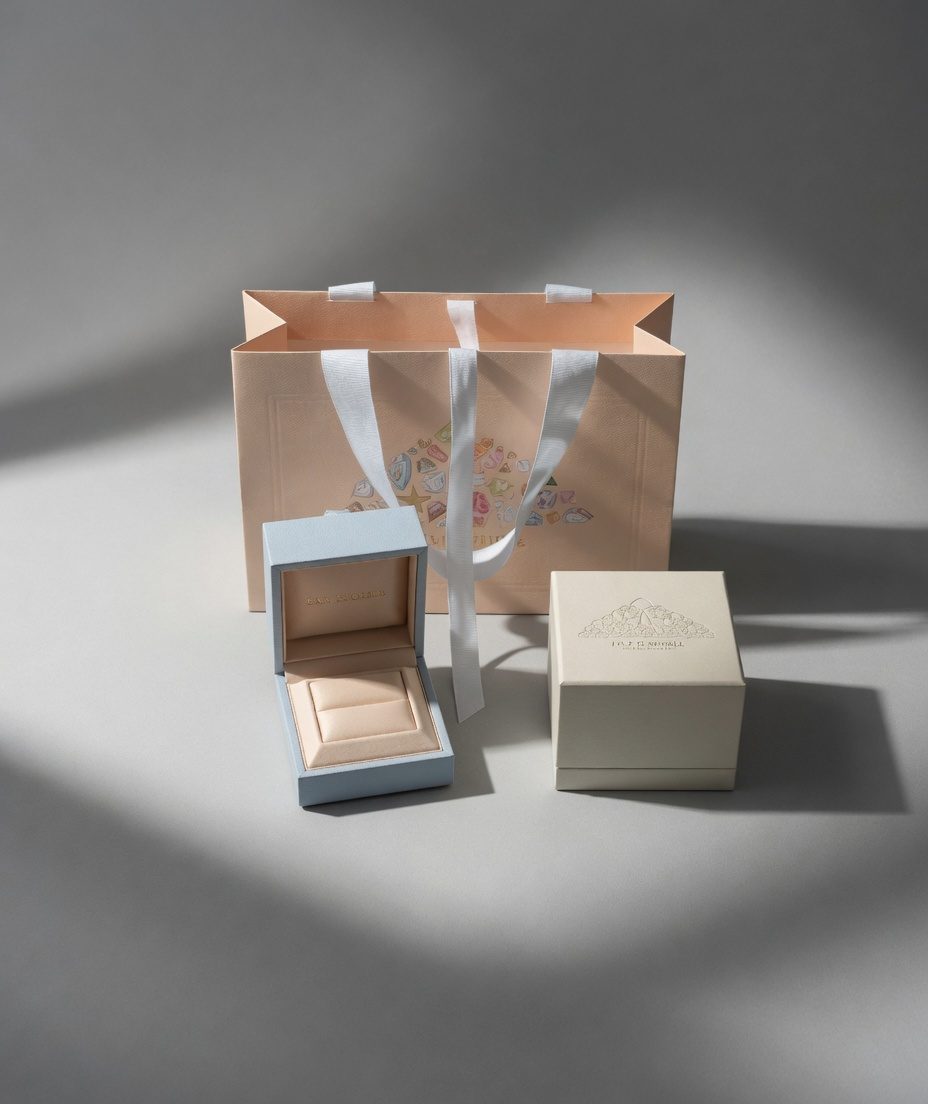
Des Veoux
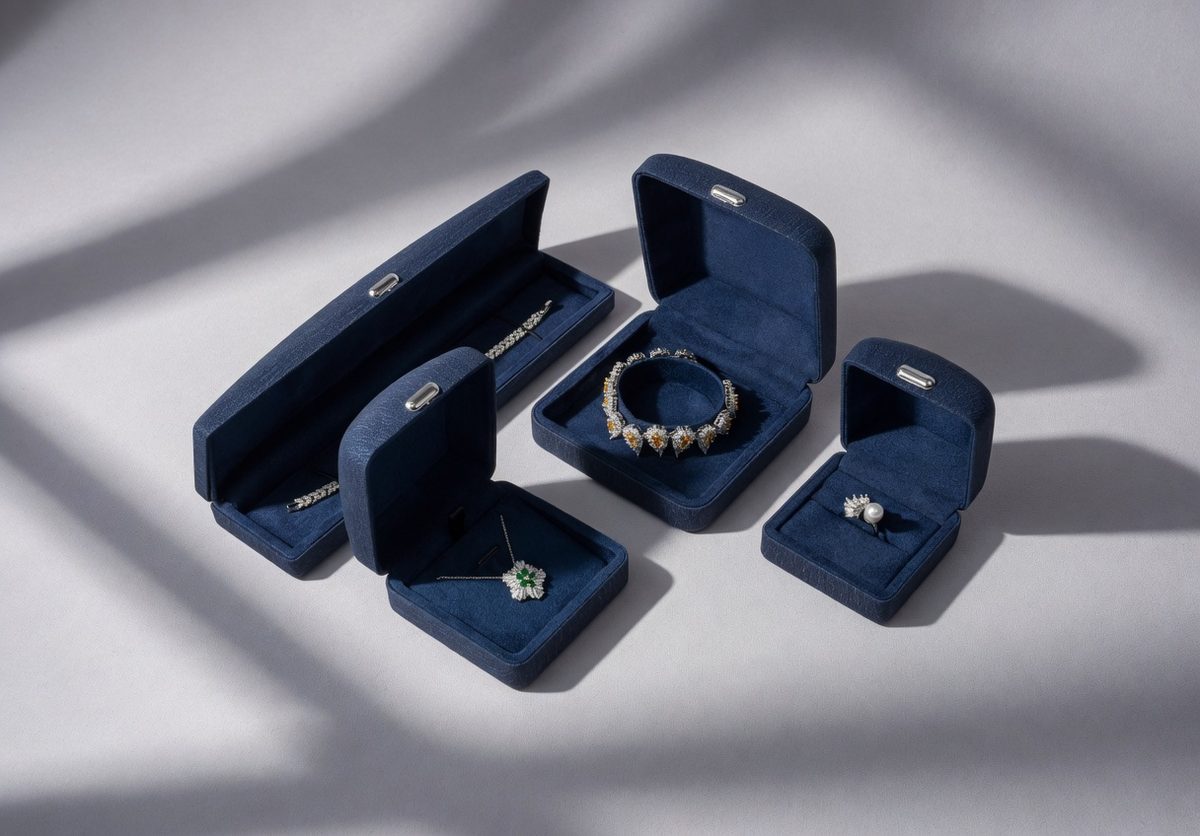
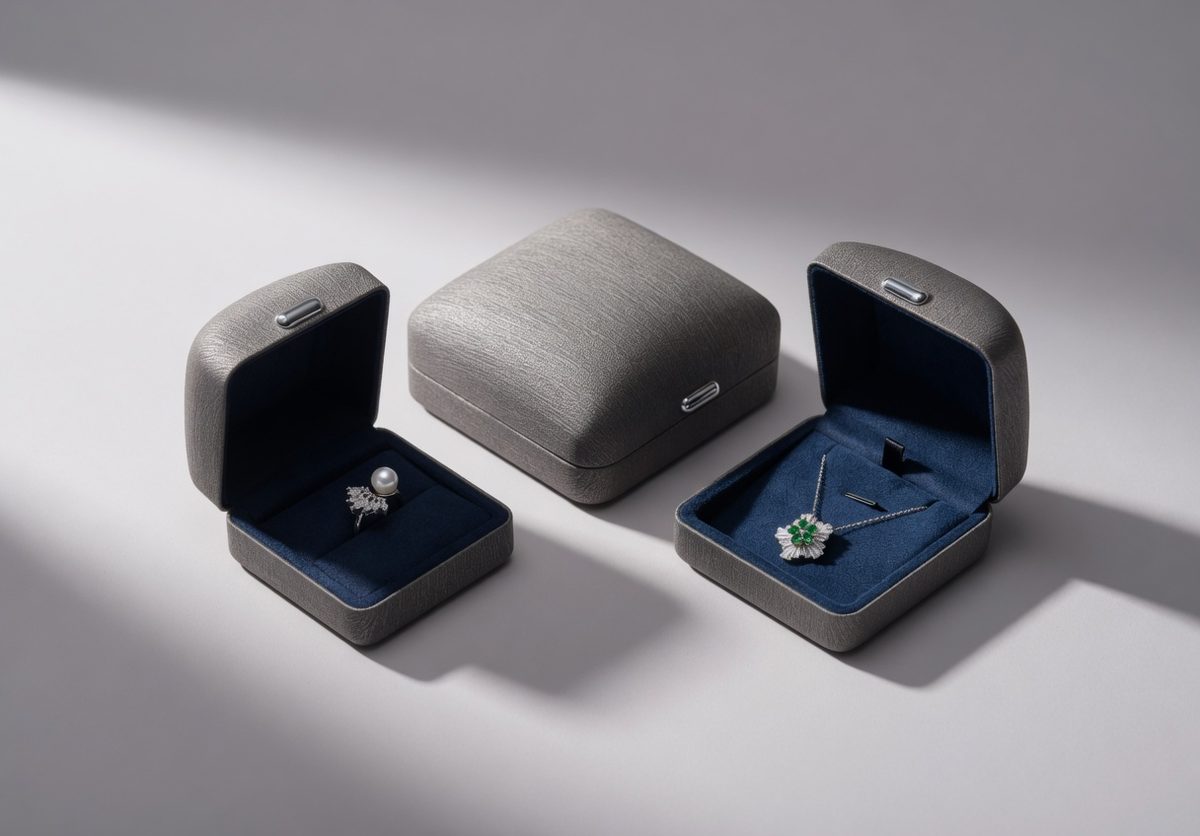
Essex
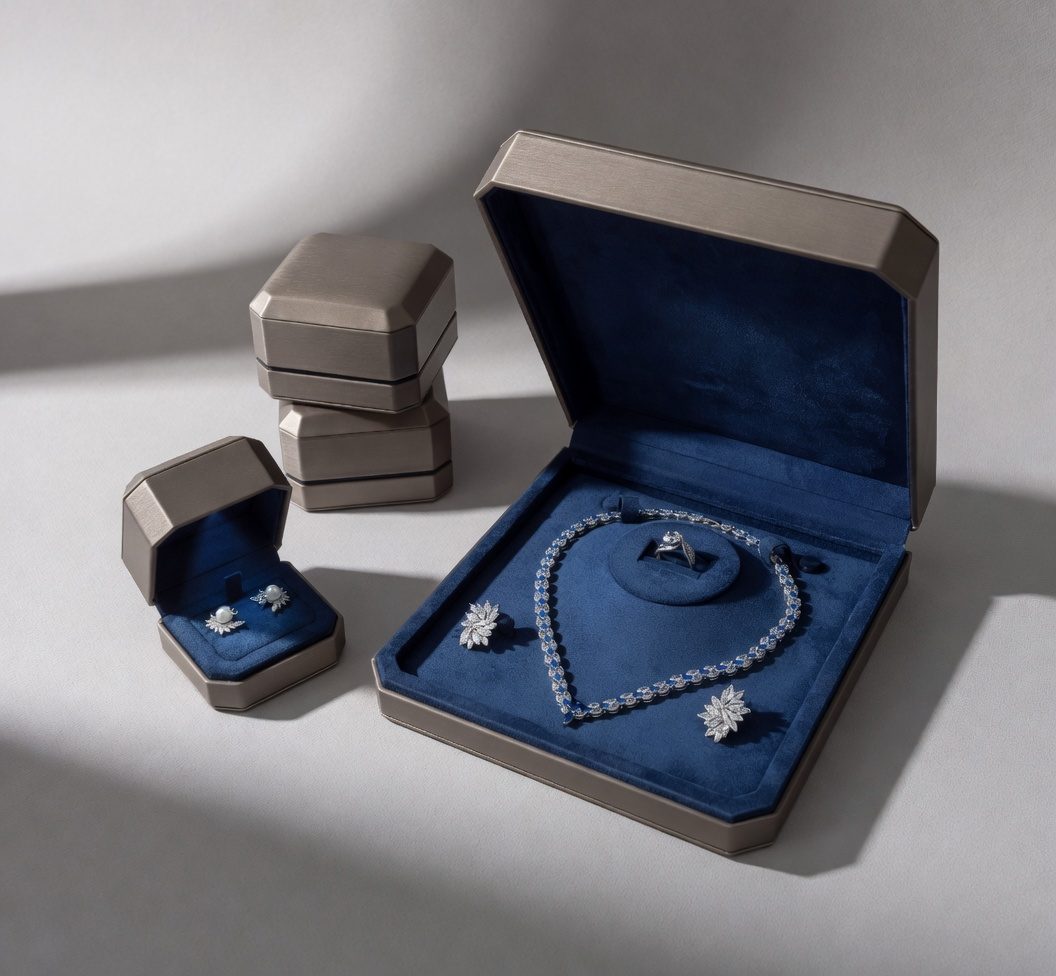
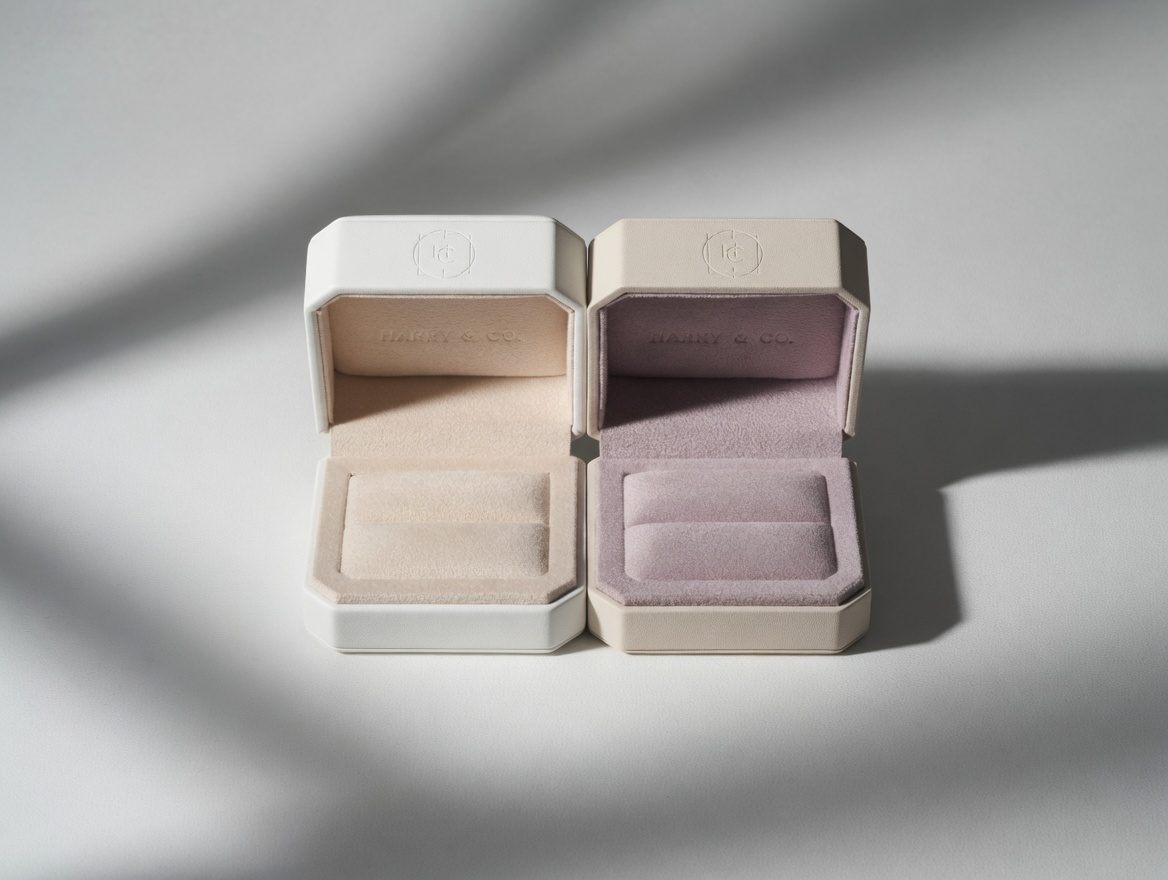
Hatton
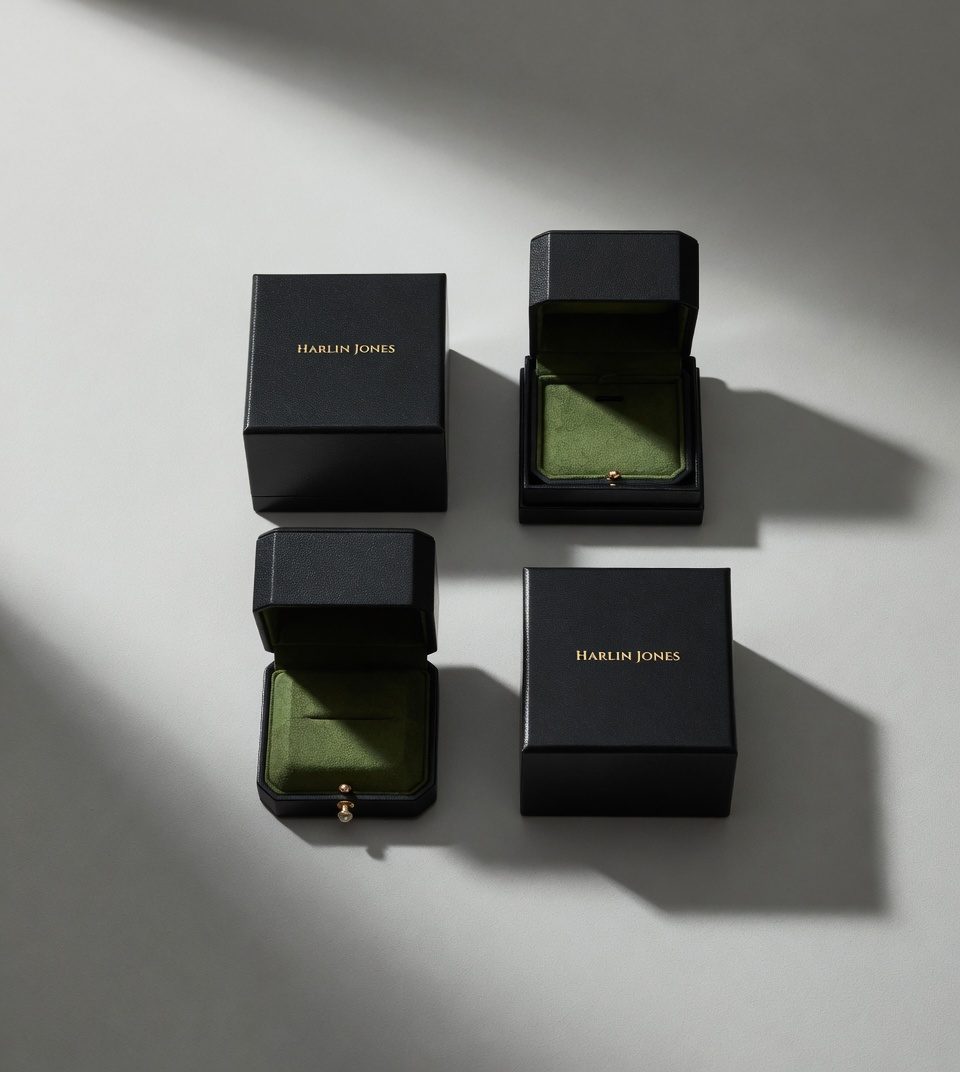
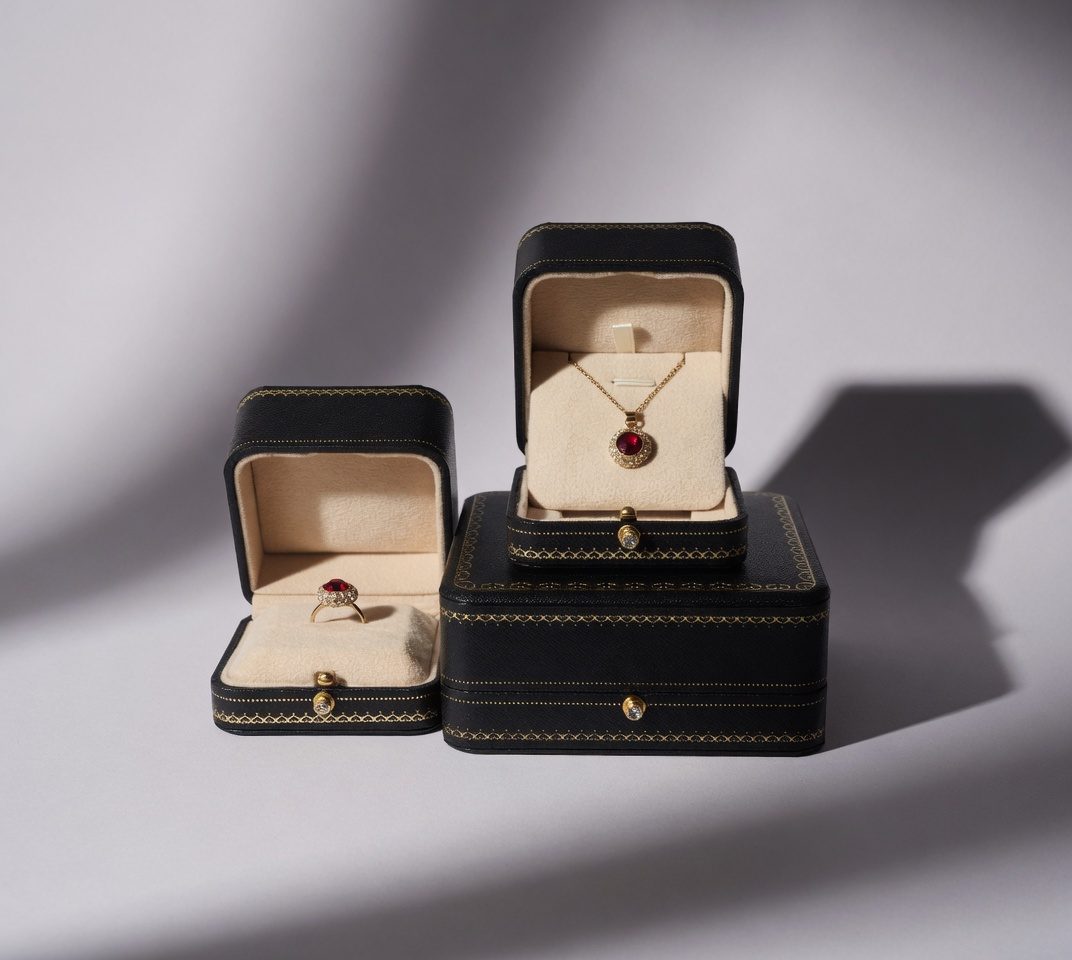
Kimberly
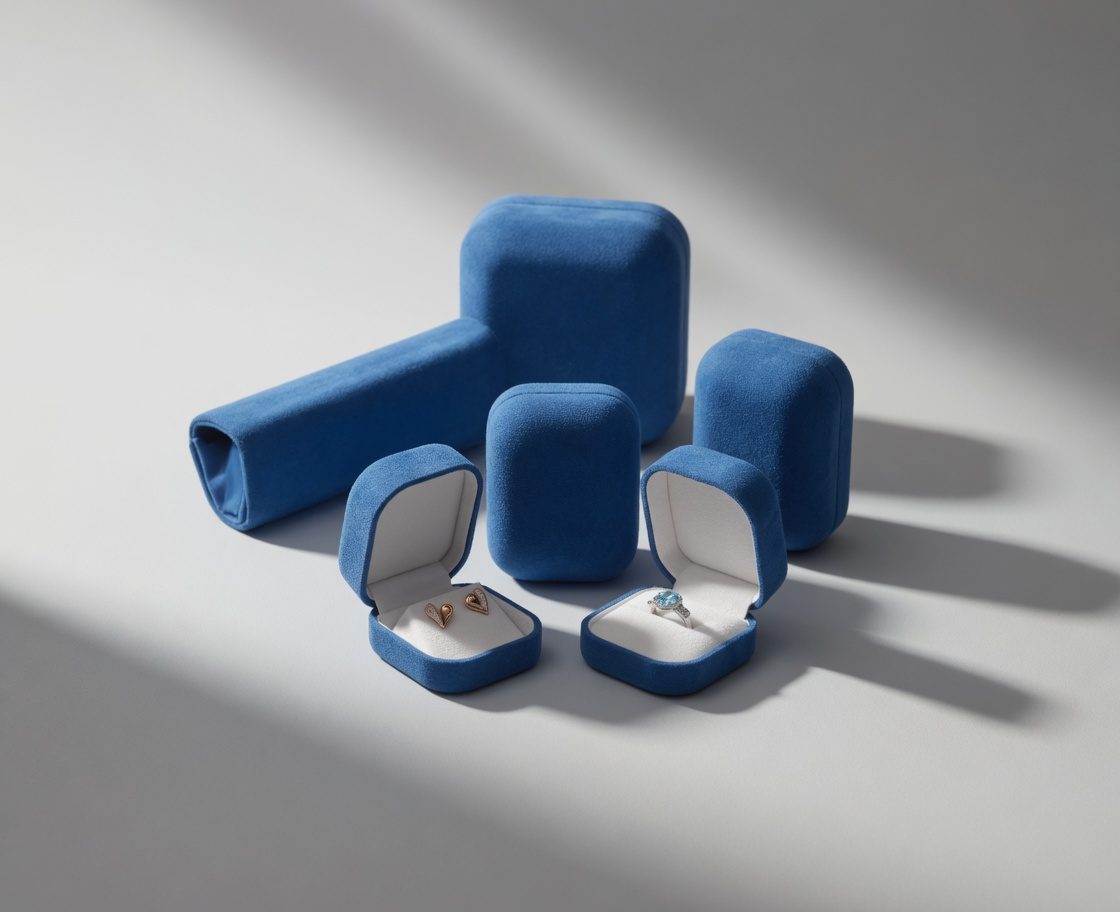
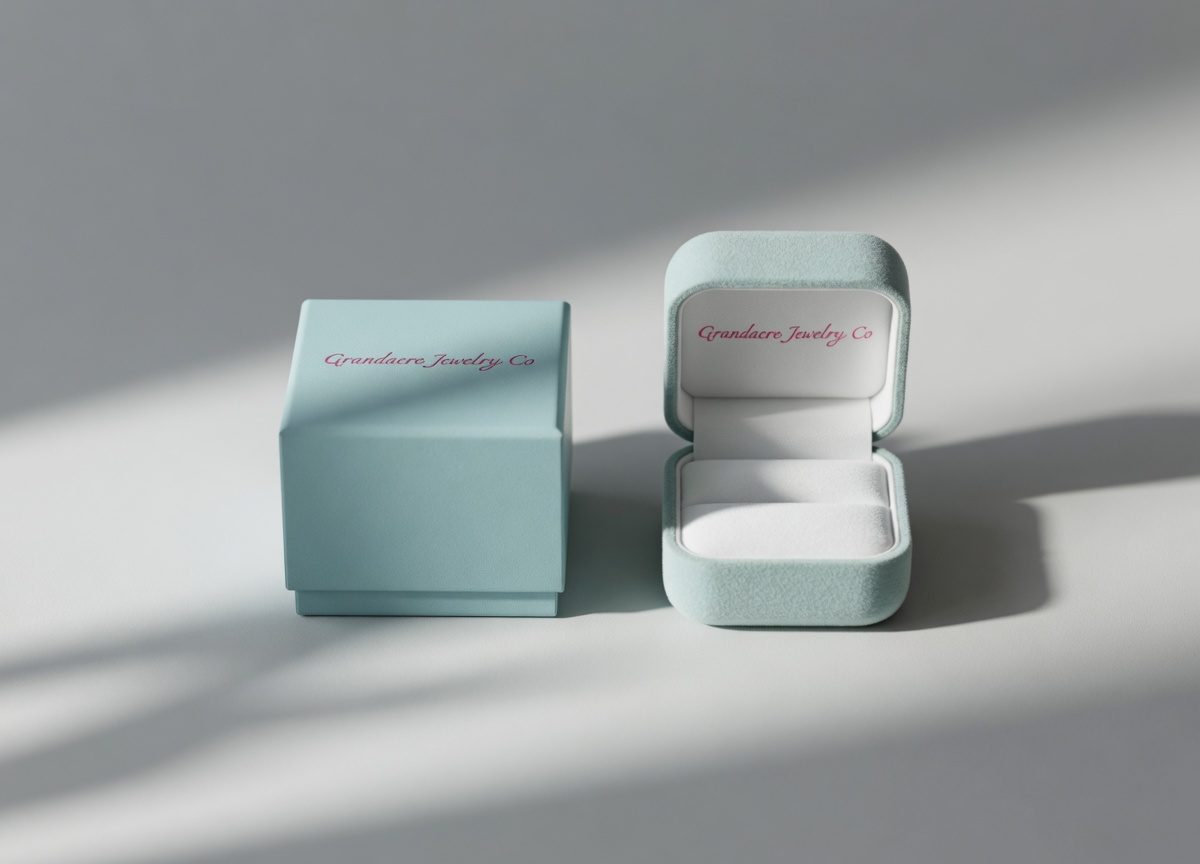
Macdonnell
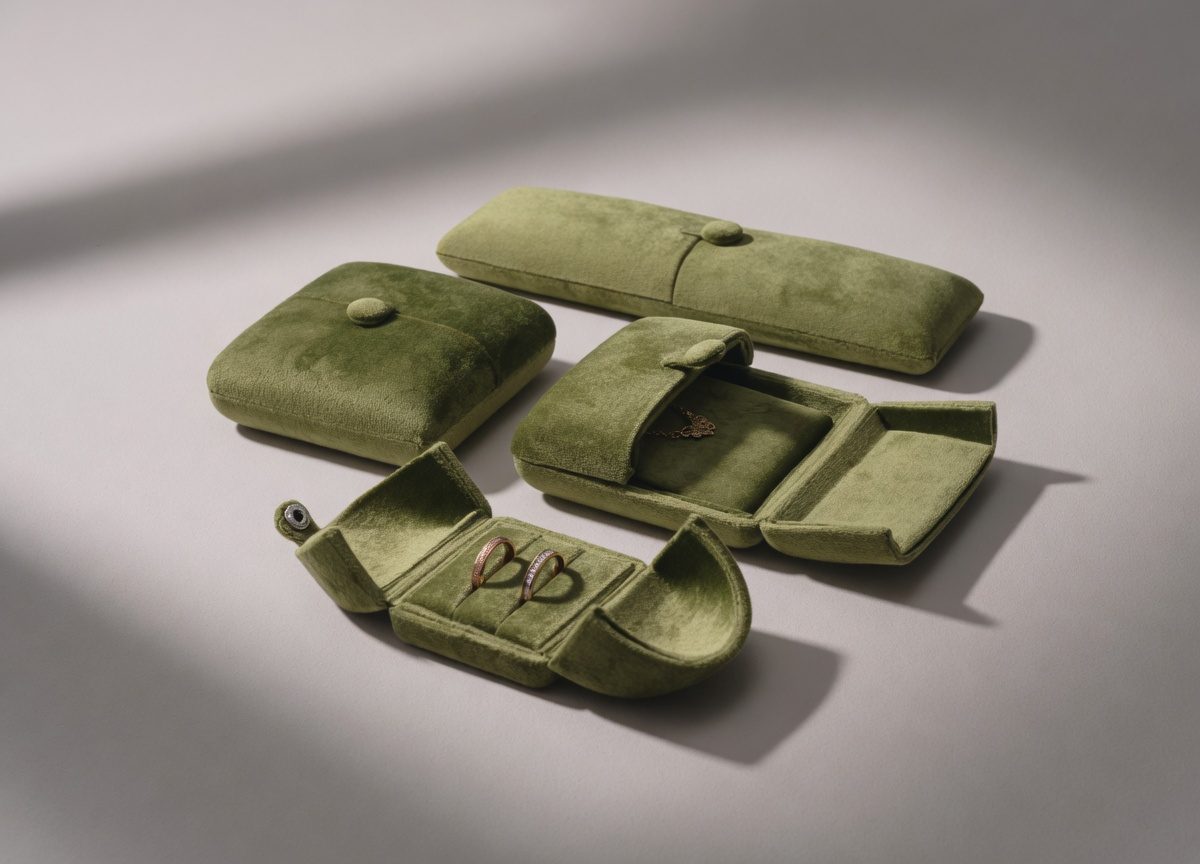
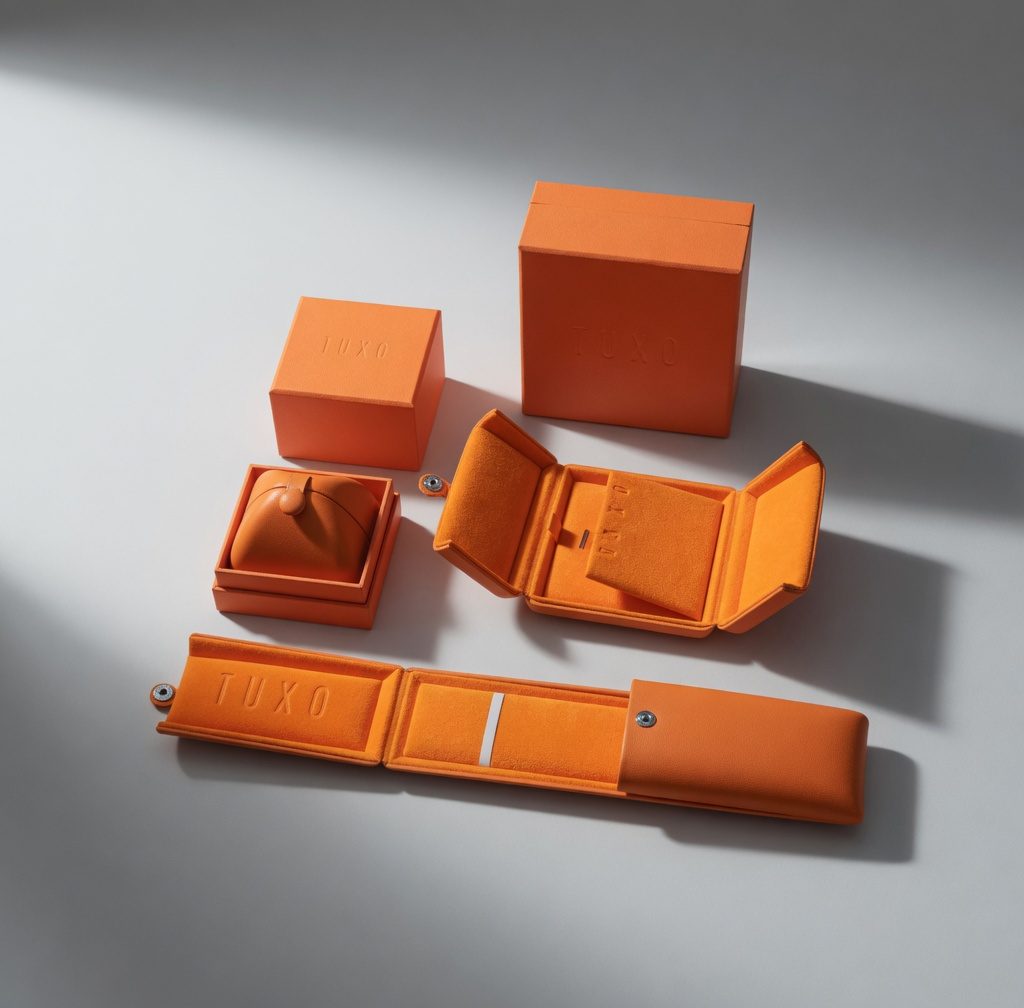
Morisson
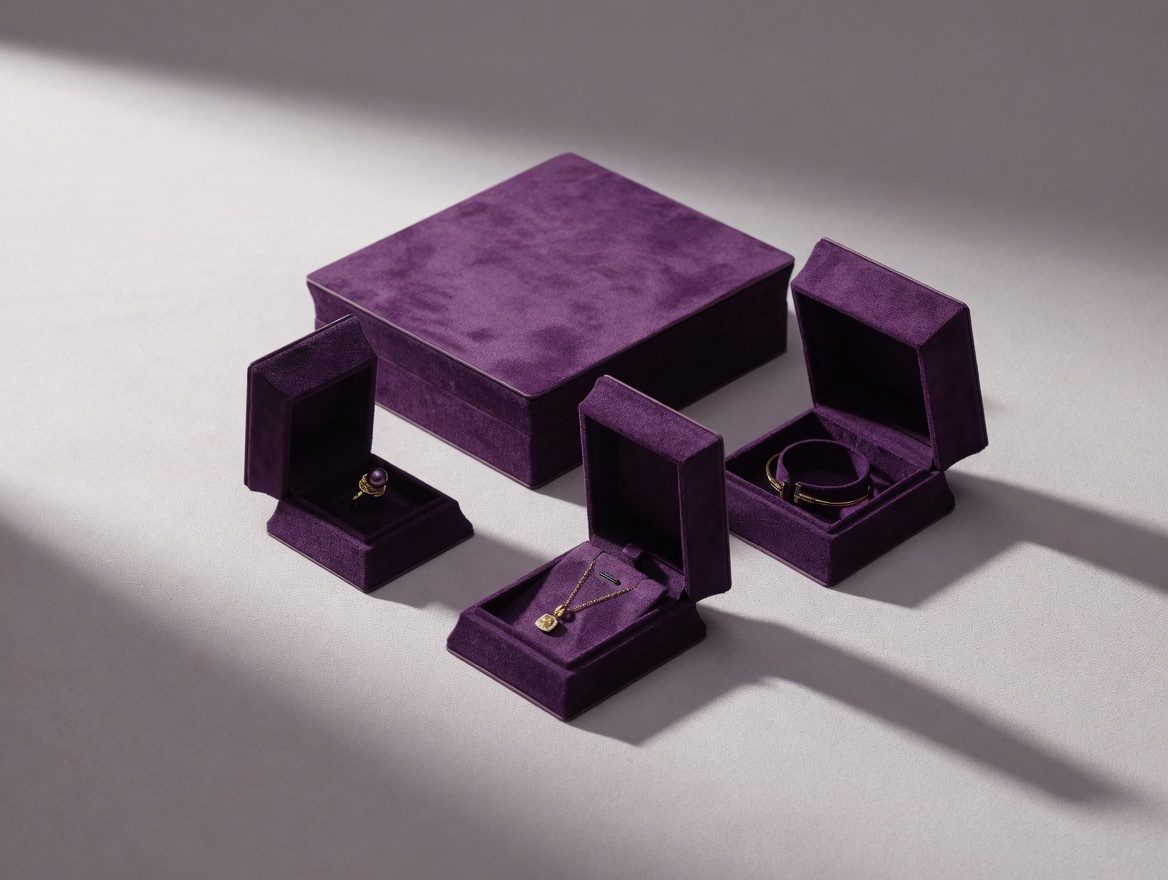
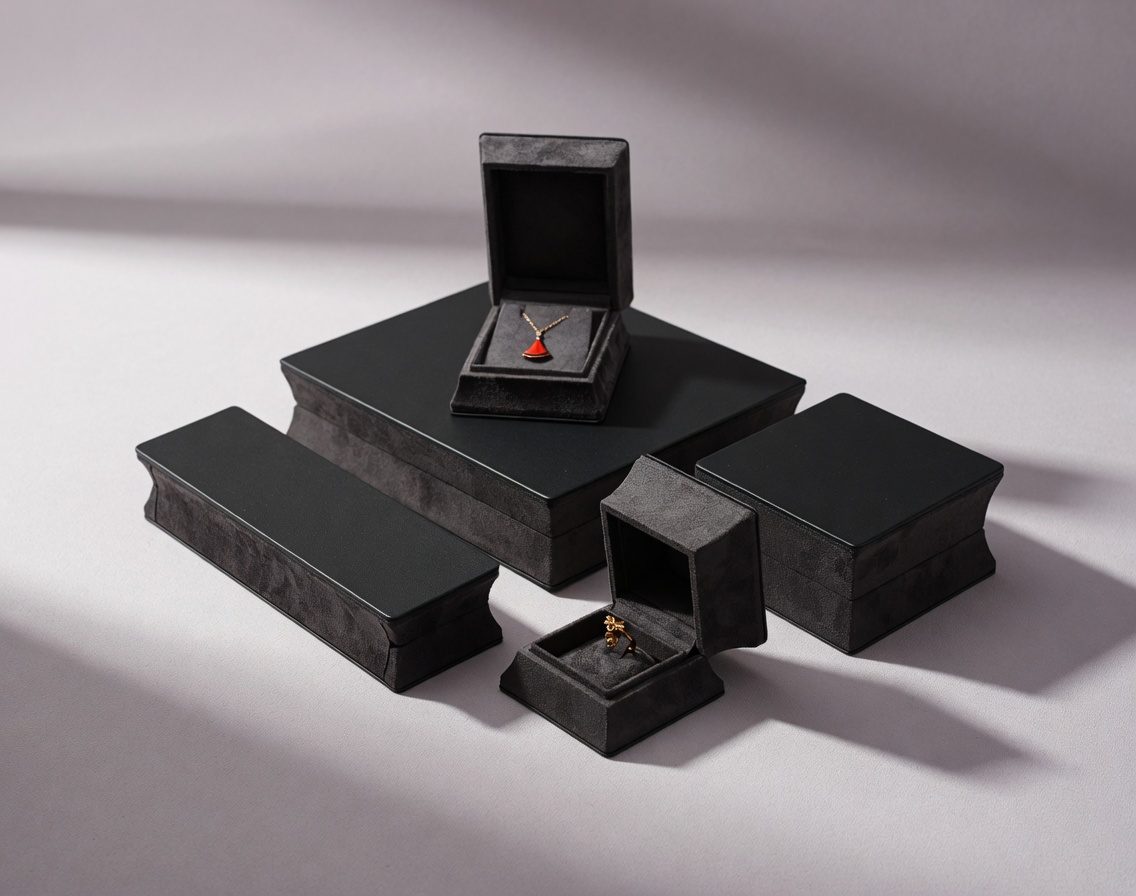
Orchard
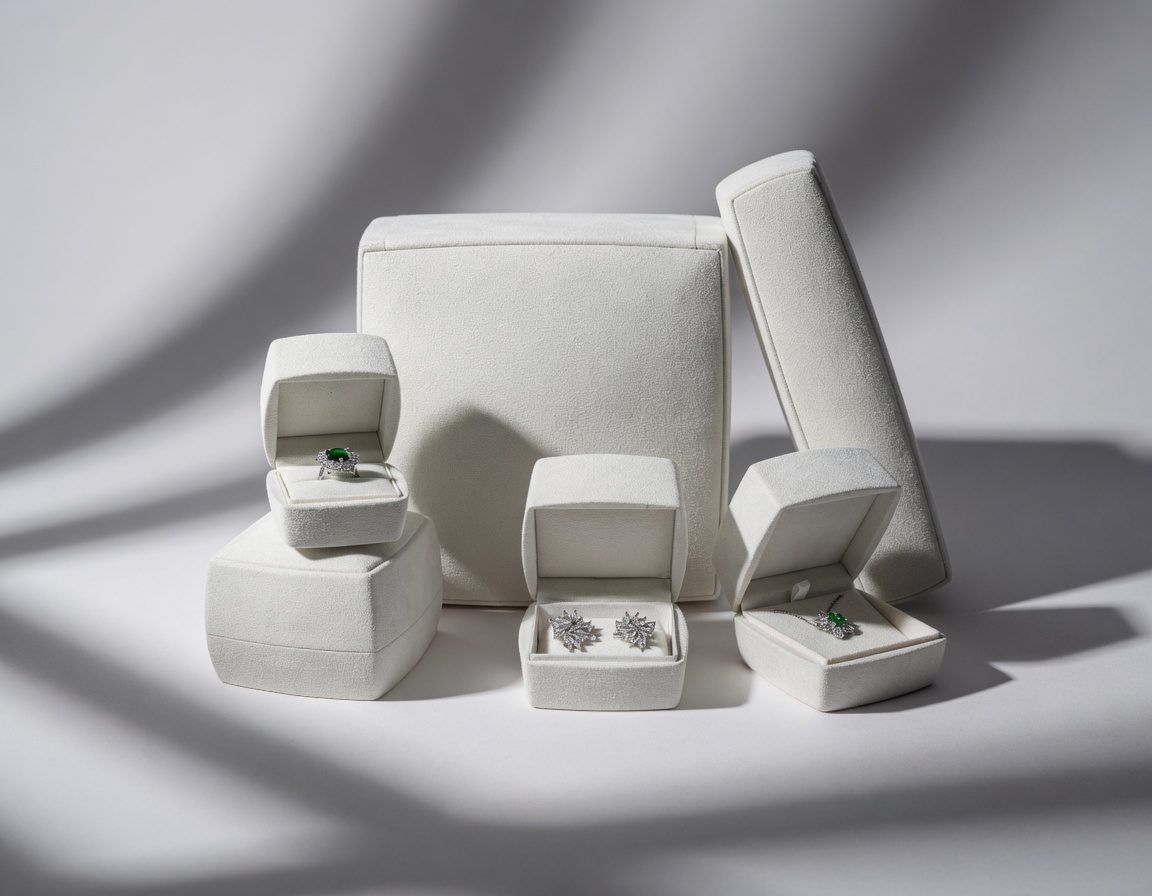
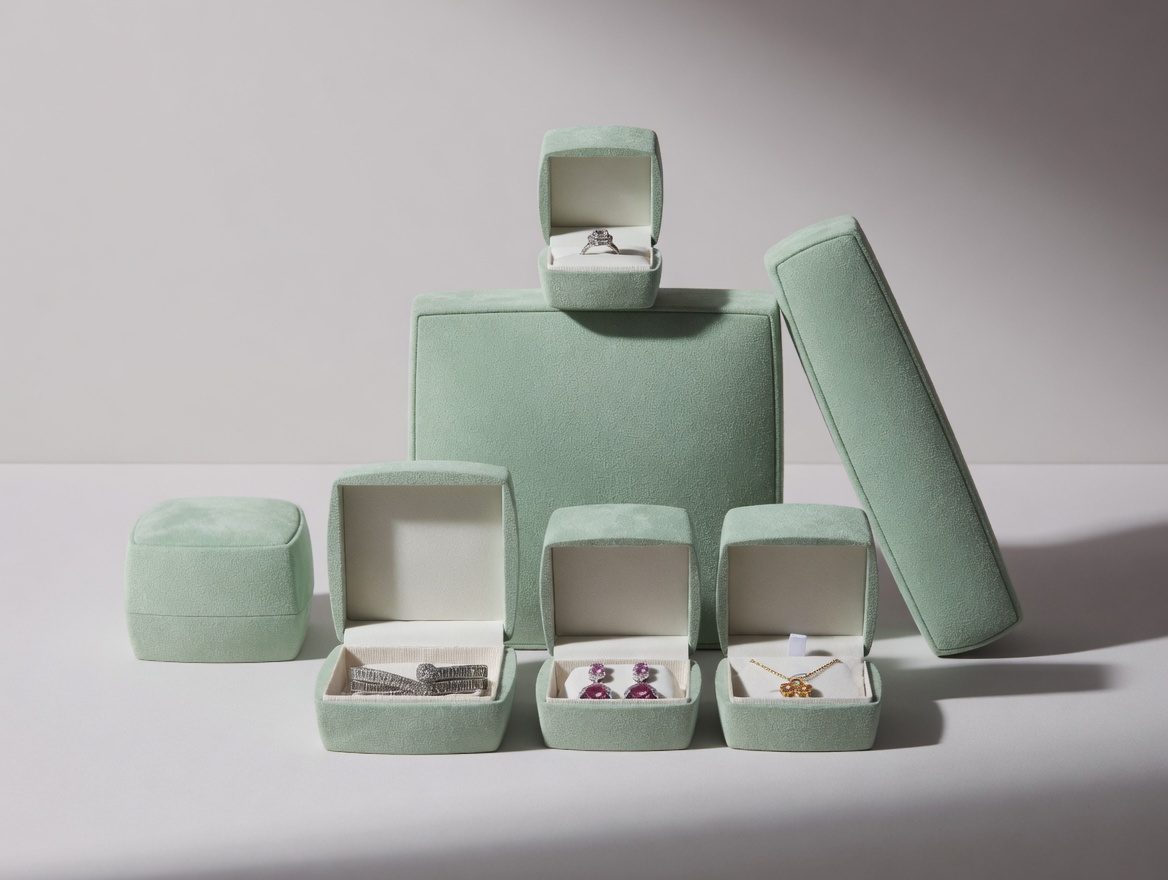
Santosa
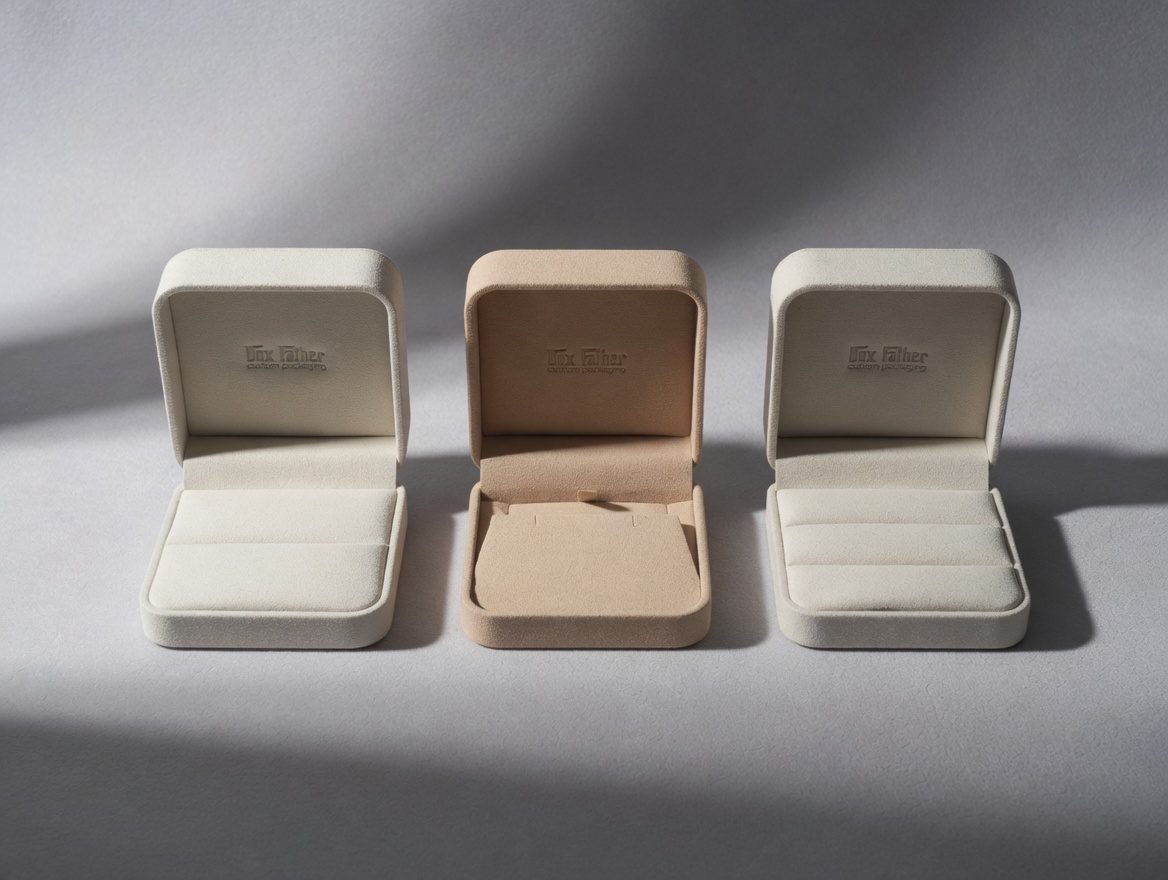
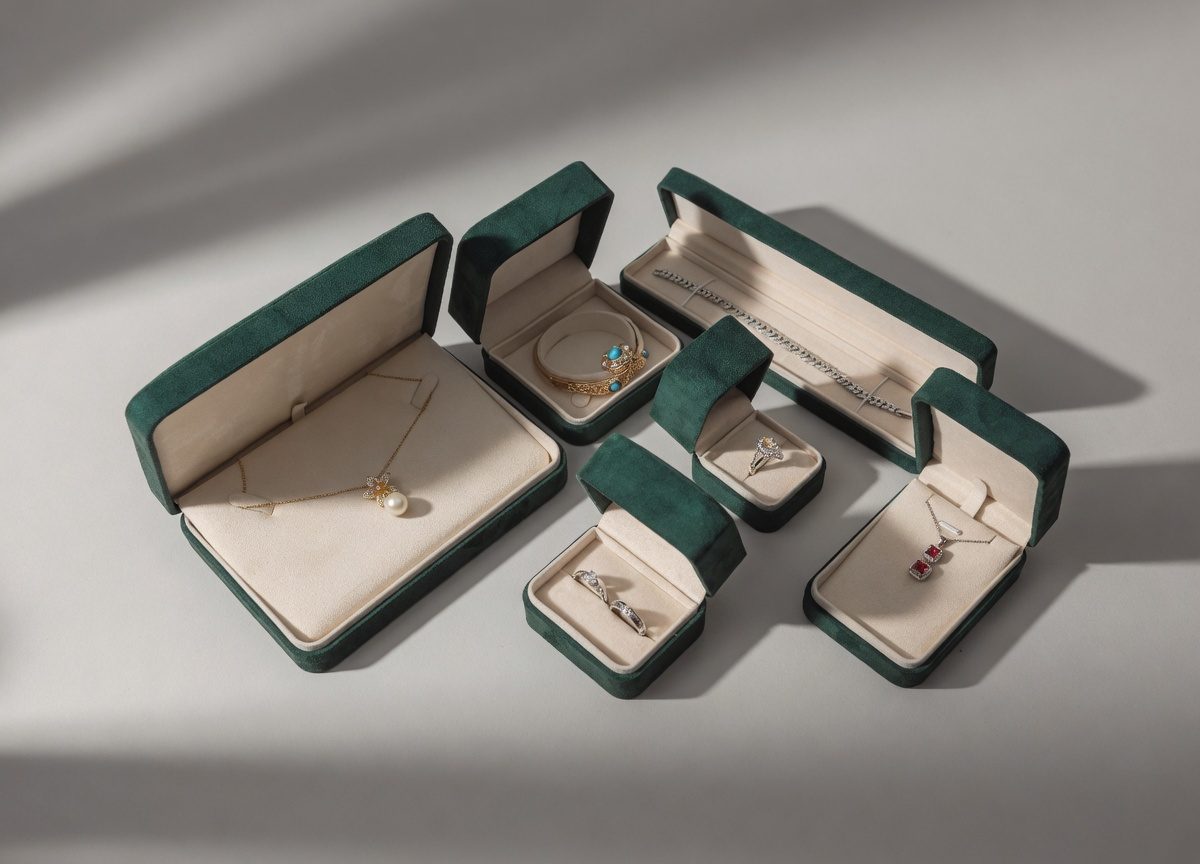
Temple
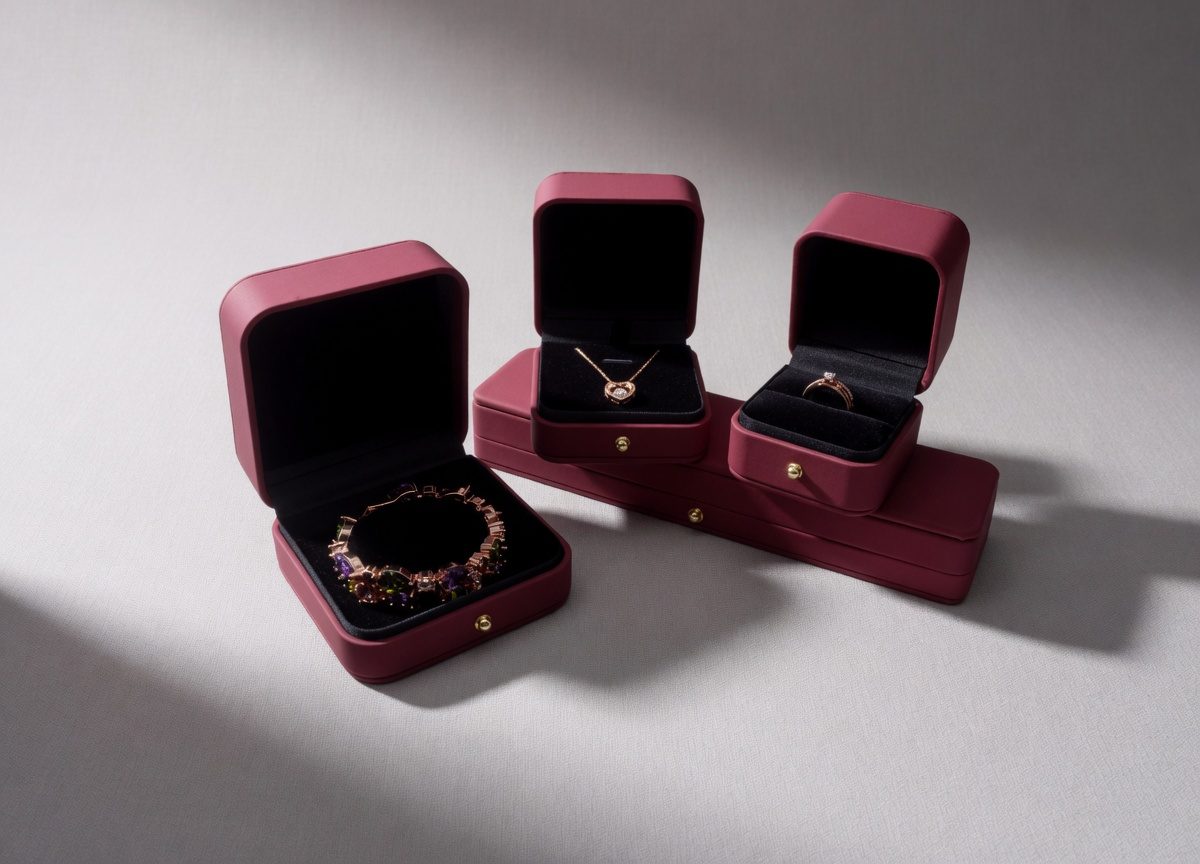
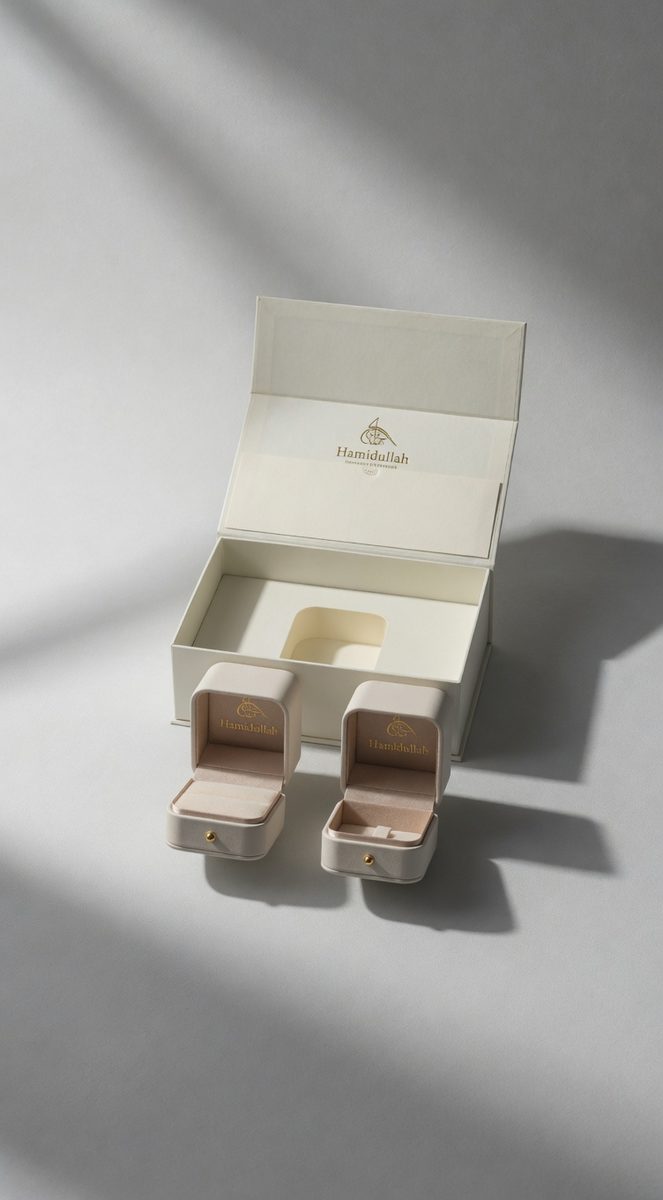
Waterloo
Share product type, quantity, materials and destination. Or see how custom packaging works. Download the catalog for series references.
FAQ
Straight answers about this category, where we work, and how to get a quote.
Box Father designs and manufactures custom jewelry packaging boxes for brands, retailers and wholesalers — including ring, pendant, bracelet and set boxes. Structures and inserts can be built around your jewelry sizes and presentation style so pieces sit securely when the lid opens.
Production runs at Box Father’s Zhongshan factory in Guangdong, China, with Hong Kong office coordination for international buyers. The company works factory-direct, with in-house design support and quality control close to the factory floor.
Materials and finishes can be chosen to match your brand, including options such as suede, velvet and leatherette used across Box Father packaging lines. Color, branding and detailing are developed from your brief; vertical manufacturing also covers plastic, cardboard and MDF. Compare velvet, suede, leatherette, microfiber & board → jewelry packaging materials.
Yes. Box Father supports coordinated packaging systems so boxes can align with pouches, shopping bags and jewelry displays in finish, color and branding — useful for store handoff and e‑commerce unboxing. Selling both channels? See retail vs e‑commerce jewelry packaging.
Share style references, quantities, material preferences and destination via the Get a Quote form, WhatsApp at +852 4643 3384, or email [email protected]. Ask for the current sample and production schedule when you enquire.
Box Father works factory-direct with brands, retailers and wholesalers on custom jewelry packaging boxes — structure, insert, material, color and branding developed from your brief. This is not a middleman stock-box reseller catalog. Share your requirements via the Get a Quote form, WhatsApp, or email to discuss fit for your wholesale or brand program.
Custom typically covers size and structure, insert layout for your jewelry, materials and finishes (such as suede, velvet or leatherette), color, and branding options developed from your brief. Boxes can be coordinated with pouches, shopping bags and displays when you need one system. Exact specs are confirmed before production.
Yes. Box Father focuses on packaging boxes for jewelry — including ring, pendant/necklace, bracelet/bangle, earring and multi-piece set boxes — for jewelry brands, retailers and wholesalers.
Stock boxes are pre-made sizes and finishes. Custom jewelry packaging at Box Father is built around your jewelry and brand: structure, insert and finish are developed from your brief, then manufactured factory-direct with in-house design support and QC. See the custom packaging process for consultation through shipping.
Yes. Wholesalers are part of Box Father’s B2B audience alongside brands and retailers. Enquiries go through the same quote path — form, WhatsApp +852 4643 3384, or [email protected] — with style references, quantities, materials and destination. Ask for the current sample and production schedule when you enquire (no published MOQ or price list on this page).
Yes. Box Father supports coordinated packaging so boxes can align with pouches, shopping bags and jewelry displays in finish, color and branding. For planning order and consistency rules, see the matched jewelry packaging system guide.