
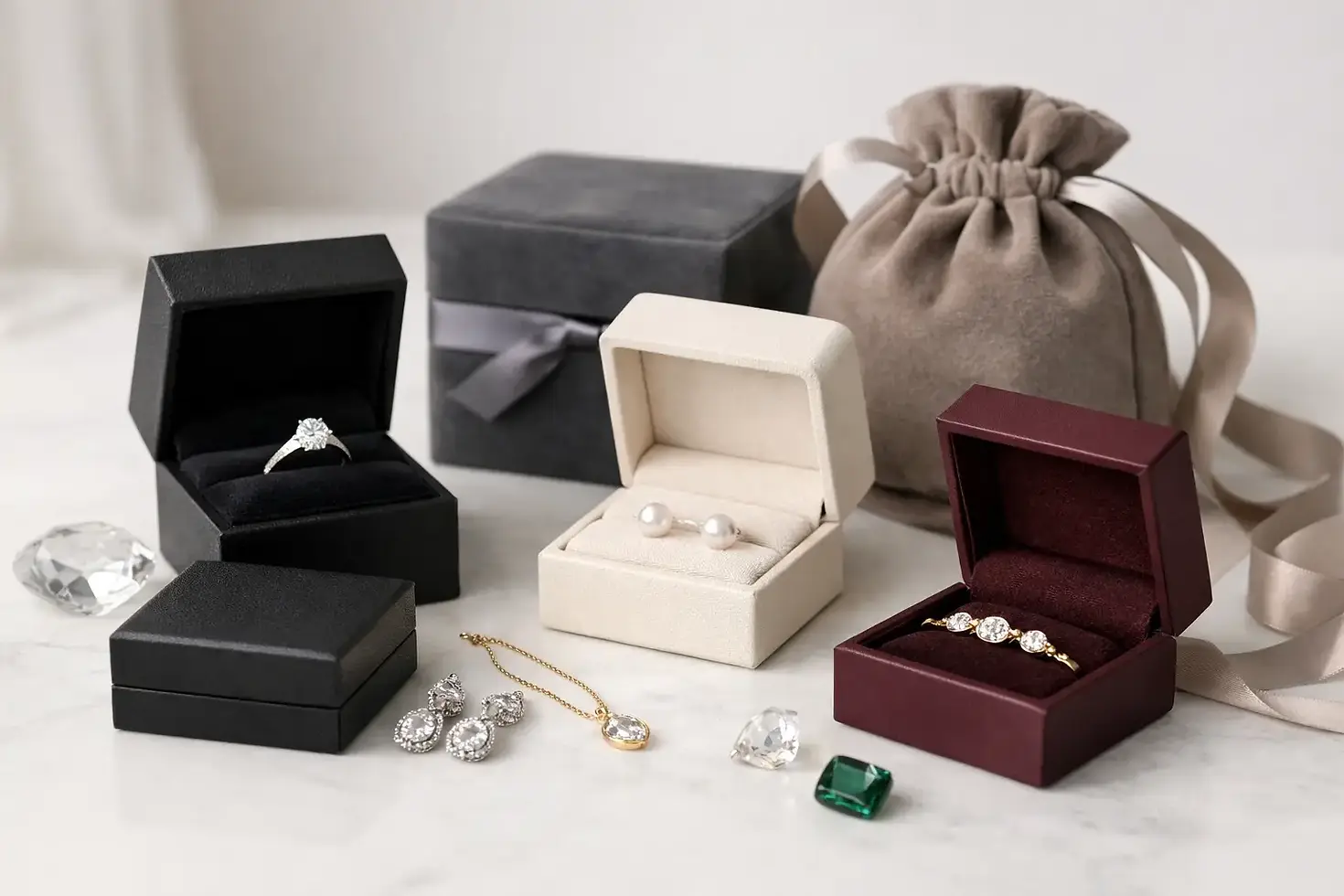
Luxury Packaging Materials Guide for Jewelers
A ring can be exquisite, the stone can be flawless, and the craftsmanship can be exceptional - but if the box feels generic, the brand story weakens at the exact moment it should become memorable. That is why a luxury packaging materials guide matters for jewelers. In premium retail, material choice is not a finishing detail. It shapes perceived value, gifting appeal, shelf presence, and how confidently a customer remembers your brand after the sale.
For jewelry businesses, packaging does more than protect a product. It creates a physical expression of brand standards. The right combination of structure, surface, lining, and finishing can make a collection feel timeless, modern, soft, bold, minimalist, or ceremonial. The wrong combination can make even a well-designed piece feel ordinary.
What luxury packaging materials signal in jewelry retail
Luxury is rarely defined by one material alone. It is built through the way materials work together in the hand and in the eye. Weight suggests substance. Surface texture suggests care. Interior lining suggests protection and refinement. A coordinated shopping bag, pouch, and box suggest a brand that pays attention to every customer touchpoint.
This is where many jewelry brands face a practical decision. They are not simply choosing a box material. They are choosing how their brand will be experienced across the counter, in the gift exchange, on social media, and in the customer’s home. A premium presentation system should support both appearance and consistency.
A strong material strategy also helps solve a common problem in jewelry retail: commoditized packaging. When too many brands rely on standard paperboard boxes with little differentiation, the product may be beautiful, but the presentation is forgettable. Carefully selected luxury materials create distinction without needing excessive decoration.
Luxury packaging materials guide: start with the box structure
The outer box usually carries the first visual impression, so structure matters before surface does. Rigid board remains one of the strongest choices for jewelry packaging because it delivers clean edges, reassuring weight, and a more substantial feel than folding cartons. It works especially well for rings, pendants, bracelets, and gift-driven collections where presentation supports a higher perceived value.
That said, rigid construction is not always the only answer. If a brand is balancing premium presentation with shipping efficiency or broader volume programs, the right specification depends on product category, price point, and retail setting. A delicate fine jewelry line may justify a denser, more formal box. A trend-driven collection may benefit from a lighter format with strong branding and a refined finish.
Wood packaging sits at the higher end of the presentation spectrum. Lacquered wood boxes communicate permanence, prestige, and ceremony. They are especially effective for heirloom pieces, bridal jewelry, high-ticket gifting, and collections where the box itself is meant to be kept. The trade-off is cost, weight, and lead-time complexity. Wood should be chosen when the brand and item value can fully support that level of presentation.
Surface materials that create a luxury impression
Once the structure is right, the outer wrap or surface material defines much of the visual personality. Paper-wrapped rigid boxes offer wide design flexibility and can range from understated elegance to more expressive brand styling. Soft-touch papers create a smooth, velvety feel that works well for modern jewelry brands. Textured papers can add dimension and often feel more crafted and tactile.
Leatherette PU is another strong option in jewelry packaging because it introduces a polished, upscale look with a more fashion-oriented character. It pairs well with collections that want a refined but contemporary image. For many brands, PU-covered boxes sit in a useful middle ground - more elevated than standard wrapped paper, more accessible than solid wood, and highly effective when paired with clean logo application.
Material selection should also reflect the product inside. A bold, glossy finish can suit fashion jewelry or statement gifting. A matte, restrained exterior may be better for bridal, fine jewelry, or legacy-focused branding. Luxury does not always mean ornate. In many cases, it means disciplined restraint.
Interior materials matter as much as the exterior
A jewelry box earns its reputation the moment it opens. Interior materials are where protection and emotional impact meet. If the insert looks thin, loose, or inconsistent, the luxury effect fades quickly. If the lining is soft, fitted, and visually balanced with the exterior, the product feels more valuable before the customer even touches it.
Microfiber is one of the most effective materials for jewelry interiors because it delivers a soft, premium handfeel while supporting product protection. It works beautifully for inserts, wrapped pads, and presentation surfaces where a smooth finish enhances metal and gemstone appearance. Microfiber also photographs well, which matters for brands thinking beyond in-store use and into customer-generated content.
Velvet and suede-like materials can create a richer, more classic luxury feel, especially for traditional jewelers or ceremonial categories. The choice depends on brand language. Some brands want a clean, tailored interior. Others want softness and depth. Neither is universally better. The right answer comes from visual alignment with the collection and the customer.
Soft goods complete the luxury packaging system
A premium jewelry presentation rarely begins and ends with a single box. Pouches, necklace folders, polishing cloths, and dust cover bags build a more complete brand experience. They also add practical value, which makes packaging feel intentional rather than decorative.
Sewn pouches are especially effective for travel jewelry, delicate pieces, and brands that want a softer, boutique presentation. The material here should feel reassuring in the hand and visually coordinated with the main box. A pouch that looks disconnected from the core brand palette can weaken the system. A pouch that echoes the box materials or interior lining strengthens recall.
Necklace folders and protective soft goods are useful when presentation and storage need to work together. They support organization, reduce tangling, and reinforce a more considered customer experience. Even a polishing cloth can become part of the luxury language when it is branded and presented with care. These details tell the customer that the brand is thinking past the sale.
Shopping bags and display materials carry the brand further
Luxury packaging does not stop at the moment of purchase. Shopping bags extend the presentation into the public space of the customer’s day. A well-made bag with substantial paper, strong handles, and coordinated color can turn a retail exit into quiet advertising. For jewelry brands, that visibility matters.
In-store display trays deserve the same attention. If the tray materials and colors conflict with the takeaway packaging, the brand can feel fragmented. When display trays, boxes, pouches, and bags share a consistent material language, the entire retail environment feels more polished. That coherence builds trust, especially in categories where emotion and price sensitivity are both high.
How to choose materials by brand position
A useful luxury packaging materials guide should not pretend there is one premium formula for every jeweler. An independent fine jeweler may need classic rigid boxes, elegant microfiber interiors, and discreet foil branding. A boutique fashion jewelry brand may benefit from leatherette PU, sharper contrast, and a more trend-conscious silhouette. A private-label wholesaler may need a presentation system that feels elevated while still scaling across multiple SKUs and retail partners.
The smartest approach is to start with three questions. What does your customer expect your jewelry to feel like before they wear it? Where will packaging be experienced most often - in-store, in shipping, in gifting, or on display? And which packaging components most influence brand recall for your business?
When those questions are answered clearly, material selection becomes more strategic. You stop buying packaging as an isolated item and start building it as part of the sales experience.
The trade-offs behind premium packaging decisions
Every luxury material carries a business consideration. Heavier structures improve presence but raise shipping cost. Softer linings improve tactile quality but may require tighter quality control. Specialty finishes create distinction but can affect production speed. Premium packaging is rarely about choosing the most expensive option. It is about choosing materials that deliver the right visual and commercial return.
That is why experienced jewelry brands often think in systems rather than single units. A hero box may justify a richer construction, while supporting items such as shopping bags or pouches maintain consistency more efficiently. The goal is not excess. The goal is a coherent presentation that supports the selling price and strengthens the brand.
For businesses looking to elevate customer perception, the best packaging materials are the ones that feel intentional at every touchpoint. When the box opens smoothly, the interior supports the piece beautifully, and the accompanying materials look coordinated, the customer does not see packaging as an accessory. They see it as part of the value they purchased.
Luxury in jewelry packaging is felt before it is analyzed. Choose materials that make that feeling unmistakable.


留言