
Choosing a Luxury Jewelry Packaging Supplier
- miller194
- 3月26日
- 讀畢需時 6 分鐘
A ring can be exceptional, but if it is handed over in a generic box with no weight, no texture, and no visual coherence, part of its value disappears before the customer even gets home. That is why choosing the right luxury jewelry packaging supplier is not a sourcing detail. It is a brand decision that affects perceived quality, store presentation, gifting appeal, and long-term recall.
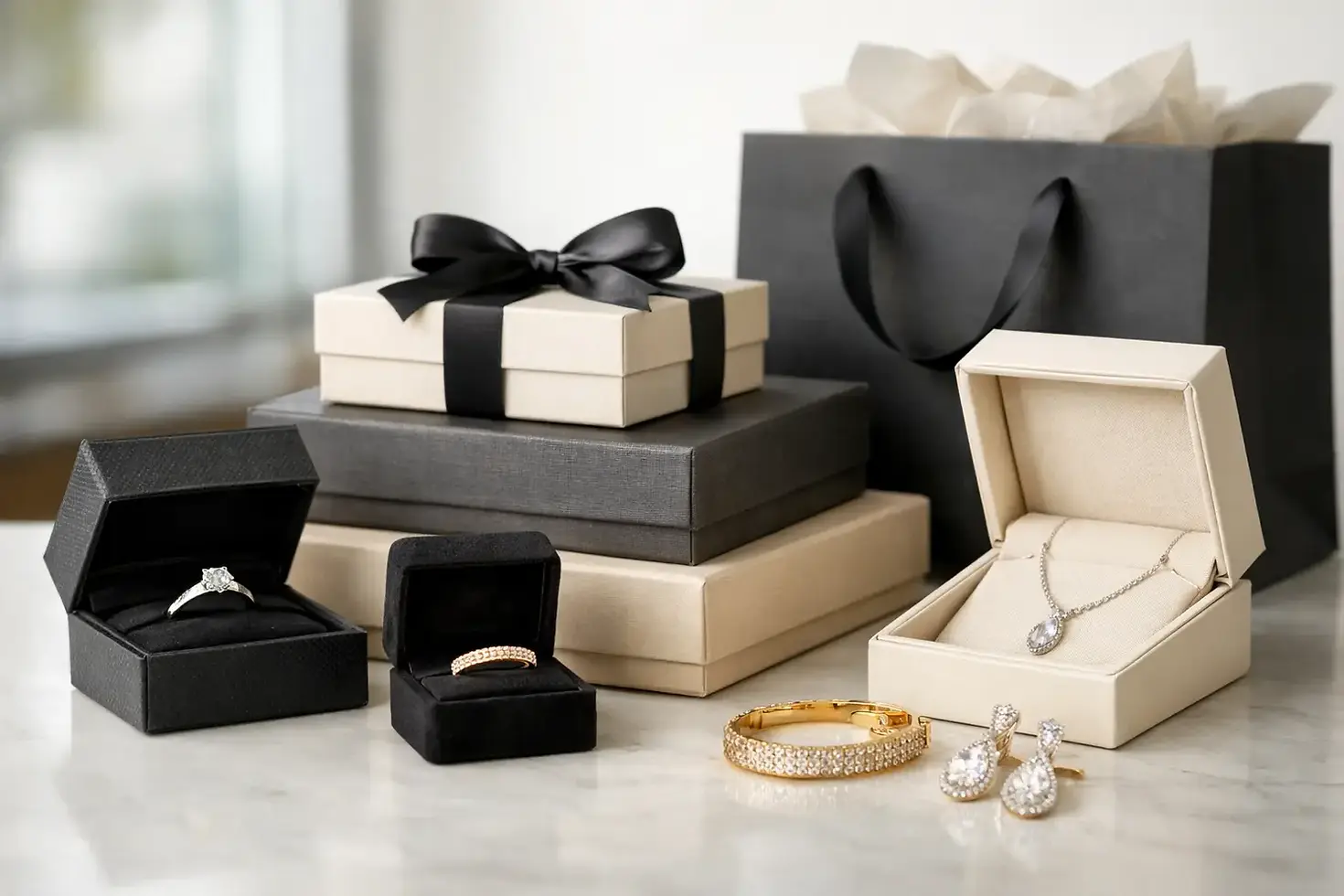
For jewelry businesses selling into the US market, packaging does more than protect merchandise. It sets expectations. It helps a customer feel they are buying from a refined brand, not simply purchasing a product. When packaging is thoughtfully designed across boxes, pouches, shopping bags, polishing cloths, and display trays, the entire retail experience feels intentional. That level of consistency is difficult to achieve with a general packaging vendor that treats jewelry like any other category.
What a luxury jewelry packaging supplier should really deliver
The most effective supplier is not just manufacturing boxes. They are helping shape how your jewelry is perceived at every touchpoint. For a premium jeweler, that includes the moment a sales associate opens a case, the look of the box in a gift bag, the feel of a pouch in hand, and the way in-store displays support the product.
A true specialist understands that jewelry packaging lives in a visual and tactile world. Materials matter because customers notice them immediately. A microfiber interior gives a different signal than standard flocking. Lacquered wood creates a different impression than paperboard. Leatherette PU offers another balance of cost, durability, and luxury. These are not minor choices. They change how your product is framed.
This is also where many brands make an expensive mistake. They focus on the hero box and ignore the rest of the system. But customers do not experience packaging as isolated pieces. They experience your brand as a complete presentation. If your ring box looks premium but your shopping bag feels generic and your polishing cloth looks like an afterthought, the impression weakens.
Why jewelry brands outgrow generic packaging vendors
Generic packaging suppliers can often produce acceptable boxes. Acceptable is the problem.
Jewelry is a category where presentation directly influences perceived value. A bracelet placed in a standard stock box may still be protected, but it rarely feels memorable. Boutique brands, private-label collections, and established retailers compete on emotion as much as product. Packaging is part of that emotional sale.
A jewelry-focused supplier brings category-specific thinking. They understand sizing for rings, pendants, bangles, earrings, and necklace sets. They know how inserts affect product stability and appearance. They understand the role of pouches, necklace folders, dust cover bags, and display trays in creating a cohesive brand environment. That specialization reduces the guesswork and helps avoid packaging that looks polished in a sample but underperforms in-store.
There is also a commercial advantage. Better packaging can support stronger margins by making jewelry feel more giftable, more premium, and more brand-specific. It can also improve retail confidence. When staff present jewelry in packaging that feels elevated, the brand appears more established and more trustworthy.
How to evaluate a luxury jewelry packaging supplier
The first question is not price. It is capability.
Can the supplier create a coordinated packaging range rather than a single product? Many jewelry businesses need more than boxes. They need shopping bags, sewn pouches, polishing cloths, display trays, and supporting accessories that all align visually. If those items come from different vendors, brand consistency usually suffers.
The second question is material depth. A supplier should be able to guide you through options based on product positioning, not just hand over a catalog. A fashion jewelry line may need a different solution than a bridal collection or a heritage fine jewelry brand. The right recommendation depends on price point, target customer, sales environment, and expected unboxing experience.
The third question is customization quality. Printing a logo on a lid is not the same as building a branded presentation system. Ask how color matching is handled, what finishing techniques are available, how interior fabrics and inserts can be customized, and whether the supplier can maintain consistency across product categories.
The fourth question is production reliability. A beautiful sample means little if bulk production is inconsistent. Jewelry businesses often launch collections on tight timelines or prepare for holiday sales periods where packaging delays create downstream problems. A capable supplier should be able to discuss manufacturing control, lead times, and how they manage repeat orders.
The materials question: luxury is not one-size-fits-all
Many buyers approach luxury packaging as if there is a single premium standard. In reality, luxury depends on your brand position.
Lacquered wood packaging communicates permanence, prestige, and ceremony. It suits higher-ticket pieces, formal gifting, and collections where presentation is part of the purchase justification. It is visually commanding, but it is also a larger commitment in cost and style.
Microfiber packaging creates softness and sophistication. It feels refined without becoming overly traditional. For many brands, it offers a strong balance between elevated appearance and versatile use across collections.
Leatherette PU boxes are often chosen when brands want a clean luxury look with durability and a modern finish. They can perform well in retail settings where packaging needs to feel polished and hold up over time.
Soft goods matter too. Pouches, necklace folders, and polishing cloths are not secondary items. They extend the branded experience beyond the moment of sale. A customer may keep a pouch for years. That makes it part of your long-term brand presence.
The right luxury jewelry packaging supplier should help you make material choices based on how your customers actually buy, gift, store, and remember your jewelry.
Brand consistency is where value compounds
Luxury packaging works best as a system. That is where its marketing value becomes obvious.
When the box, shopping bag, pouch, and display tray all speak the same visual language, the brand feels established. Customers may not analyze each detail, but they notice the coherence. It creates confidence. It also gives sales teams a stronger presentation environment, especially in stores where every visual cue contributes to the perceived standard of the merchandise.
This matters even more for growing brands. Consistent packaging can make a smaller jewelry business appear more mature and more premium than competitors with stronger product photography but weaker real-world presentation. It creates an impression of discipline, and in luxury retail, discipline reads as quality.
At Box Father Company Limited, this is the difference between supplying packaging and building a presentation strategy. The goal is not simply to place jewelry in a box. The goal is to elevate the brand through every material, finish, and customer-facing detail.
Cost matters, but cheap packaging is rarely cheap
Every buyer has a budget. That is reality. The smarter question is where packaging creates return.
If lower-cost packaging causes your jewelry to feel less distinctive, it may reduce perceived value at the exact moment you need it to be strongest. If your store presentation looks inconsistent, it may weaken trust. If your gift packaging does not feel special, it may reduce the emotional impact that drives referrals and repeat business.
That does not mean every brand needs the highest-end construction in every category. It means the packaging strategy should match the commercial goal. Sometimes that means investing more in the hero box for a signature line. Sometimes it means balancing a premium box with efficient but coordinated accessories. Sometimes it means upgrading display trays because in-store presentation is where the sale is won.
The best supplier will not push the most expensive option by default. They will help align packaging investment with brand position and sales priorities.
What strong supplier partnerships look like
A valuable packaging partner brings clarity. They understand how jewelry is sold, how premium cues work, and where consistency matters most. They can translate a brand direction into physical packaging that supports retail performance.
That includes practical guidance as well as design thinking. You want a supplier that can discuss materials, customization, and production with equal confidence. You also want one that recognizes trade-offs. A certain finish may look outstanding but extend lead times. A highly detailed structure may impress in hand but not scale efficiently across a broader line. Good decisions come from balancing presentation, operations, and cost.
For jewelry businesses that want to strengthen branding, packaging should be treated as part of merchandising, not an after-purchase necessity. The supplier you choose influences how your product is introduced, gifted, remembered, and displayed.
When packaging is handled at that level, it stops being background. It becomes part of why the brand feels worth buying.


留言