top of page
搜尋

Best Branded Jewelry Pouches for Retail

A customer buys a fine bracelet in under three minutes, but the impression your packaging leaves can stay with them for months. That is why the best branded jewelry pouches are not just soft accessories or protective sleeves. They are brand carriers, retail finishers, and a quiet but effective way to make jewelry feel more valuable the moment it changes hands.

For jewelry businesses, pouches sit in an unusually powerful position. They are touched before the product is worn, saved longer than tissue or wrapping, and often reused during travel or storage. A box creates structure, but a pouch creates intimacy. When it is designed well, it adds softness, polish, and a more luxurious sense of care around the piece.

What makes the best branded jewelry pouches

The best branded jewelry pouches do three jobs at once. They protect the jewelry, present the brand elegantly, and support the price point you want the customer to believe in. If any one of those elements is weak, the pouch starts to feel generic.

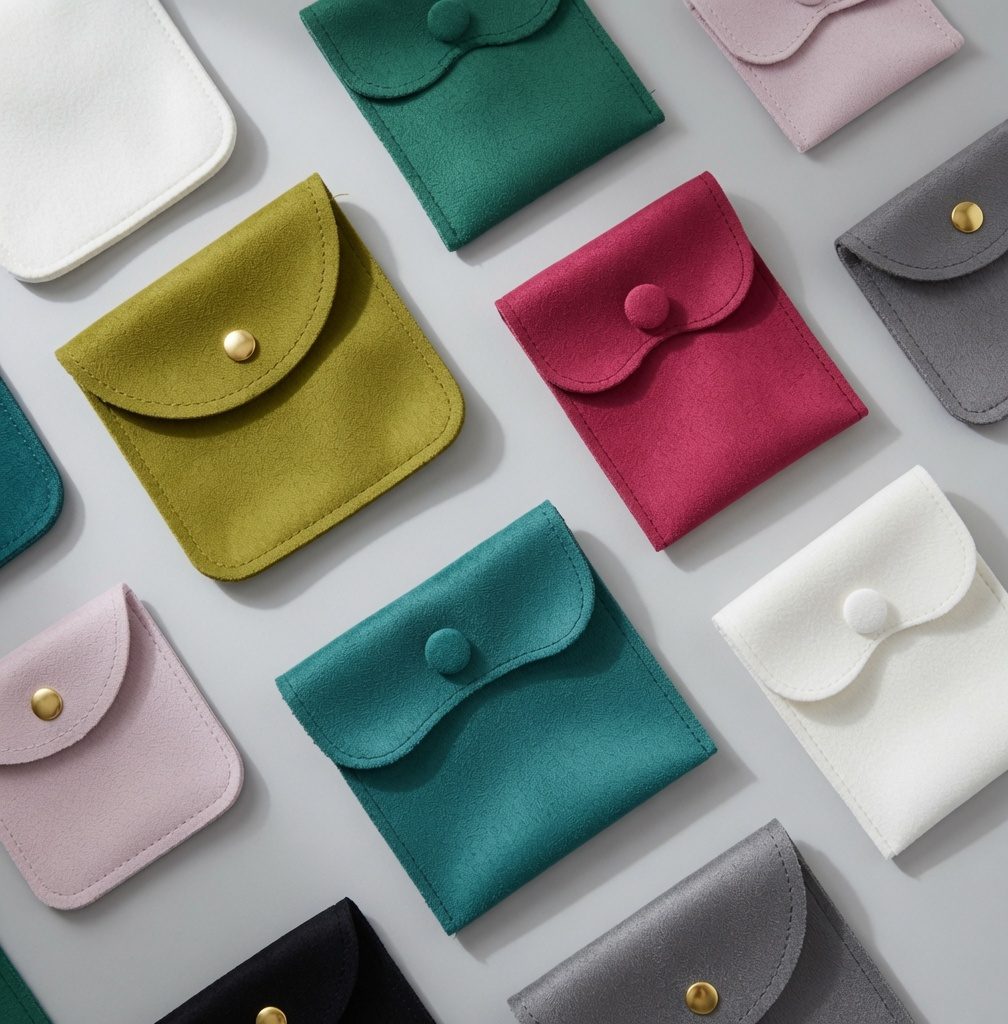
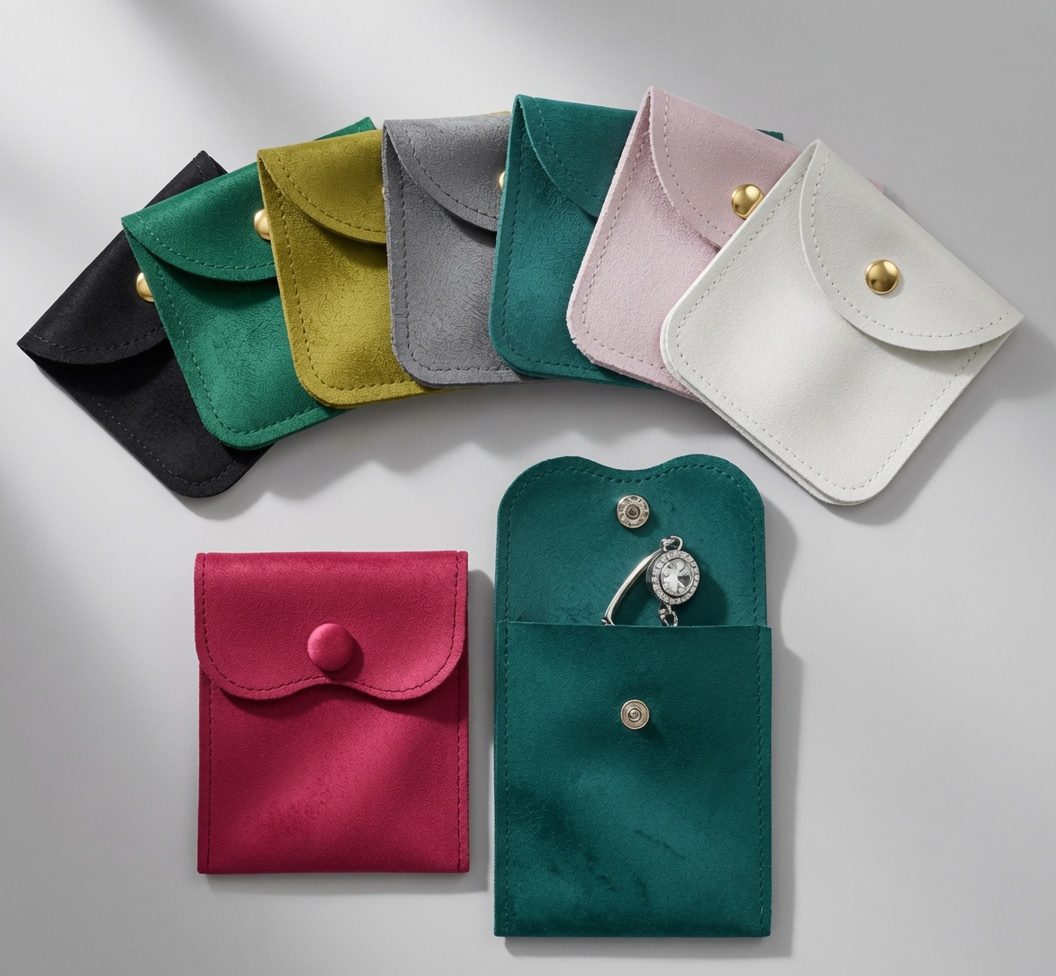
Material is usually the first signal. Microfiber, velvet-look fabrics, suede-touch finishes, cotton, satin, and leatherette each create a different retail message. A microfiber pouch tends to feel refined and modern, especially for fine jewelry or contemporary collections. Cotton can work well for artisanal or natural-positioned brands, but it has to be selected carefully. If the weave feels too basic, it can make the product look less premium. Satin brings sheen and softness, though it is not always the best fit for brands that want a more understated luxury look.

Construction matters just as much as surface appearance. A pouch with uneven stitching, weak drawstrings, or poor edge finishing will undercut even the strongest logo. In jewelry retail, customers notice small details because the product itself is detail-driven. Fine presentation has to hold up at close range.

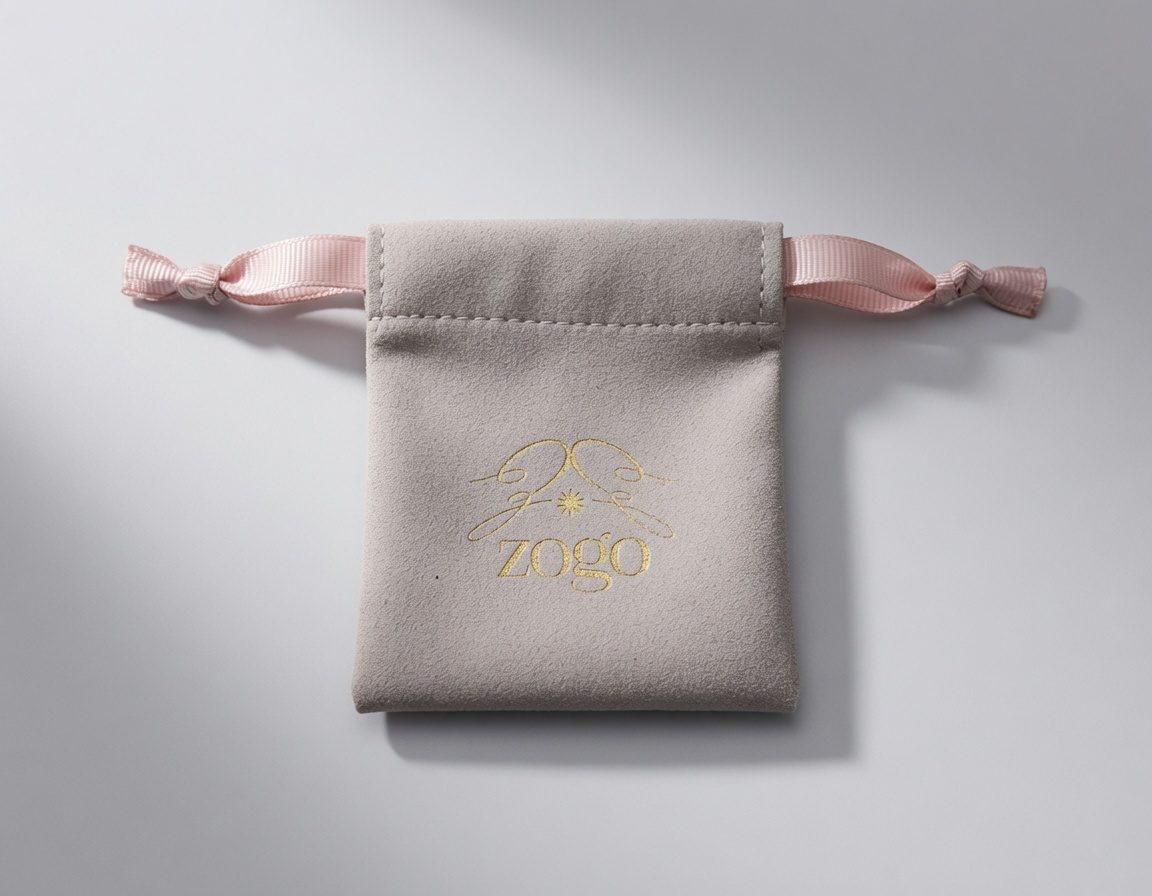
Branding quality is the third factor. A printed or foil logo should feel crisp, balanced, and intentionally placed. Oversized branding can look promotional rather than luxurious. Too small, and it disappears. The strongest pouch branding usually feels integrated into the design rather than added as an afterthought.

Why pouches matter beyond protection

A branded jewelry pouch is often treated as a secondary packaging piece, but in many sales environments it does more brand work than expected. At the jewelry counter, it adds a tactile layer to the handoff. In e-commerce, it softens the unboxing experience and gives the customer something useful beyond the outer shipper. In gifting, it makes the item feel ready to present even before the box is opened.

There is also a practical branding advantage. Pouches tend to stay in circulation. Customers use them to store rings, travel with earrings, or protect sentimental pieces at home. That means your brand remains in the customer’s routine rather than disappearing after purchase. A rigid box may stay on a shelf. A pouch goes into a handbag, suitcase, or dresser drawer.

For many jewelry brands, that repeated use is where branded soft packaging earns its value. It turns a presentation cost into an ongoing brand impression.

Choosing the right material for your brand position

There is no single best material for every jeweler because the right answer depends on your product category, customer expectations, and price architecture.

Microfiber and suede-touch pouches

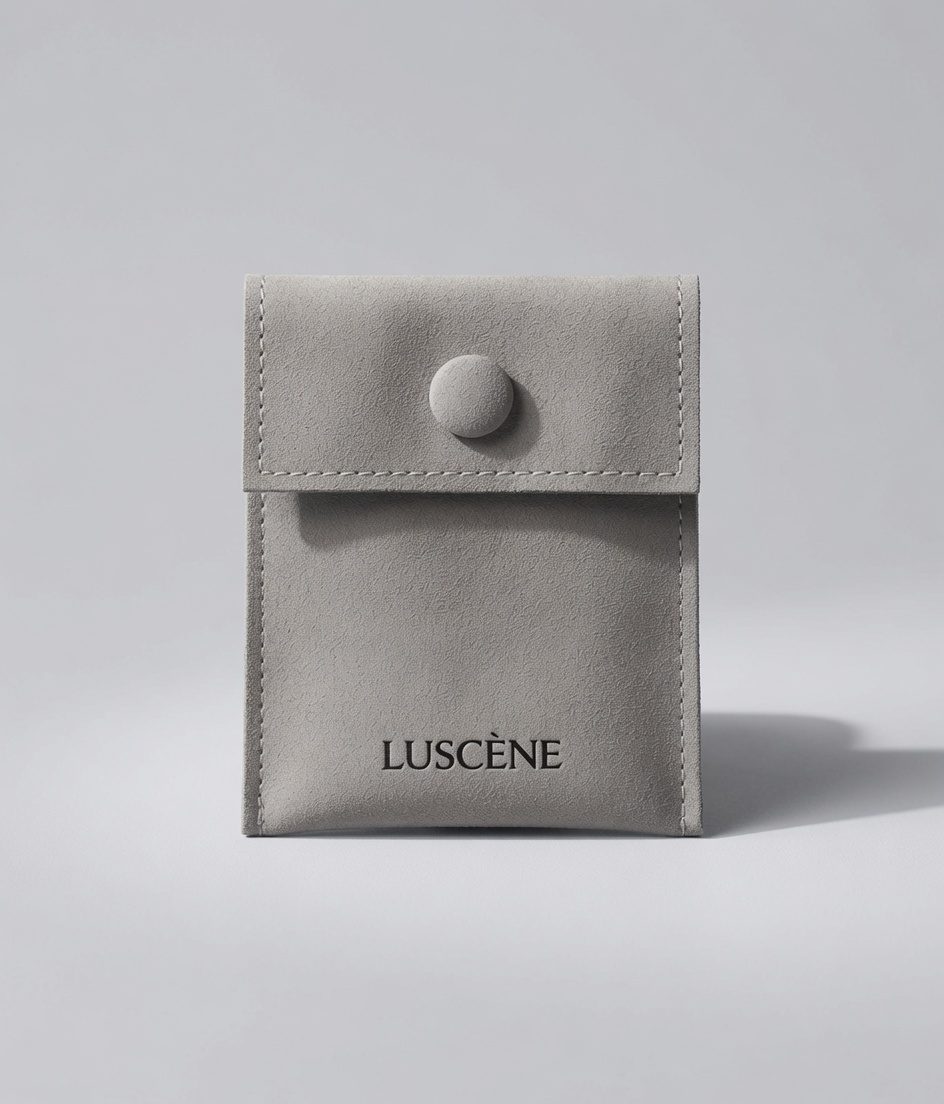
These are among the strongest options for brands aiming for a premium and contemporary presentation. They offer a soft hand feel, a clean drape, and a polished appearance that suits rings, necklaces, bracelets, and watches. They also photograph well, which matters for e-commerce brands that show packaging as part of the purchase experience.

Microfiber works especially well when you want the pouch to feel luxurious without becoming flashy. It supports fine jewelry, demi-fine collections, and upscale private-label programs.

Velvet-style pouches

Velvet-style finishes create a richer, more classic luxury signal. They can be effective for heritage-inspired brands, holiday collections, and jewelers who want a more dramatic presentation. The trade-off is that this style can feel too formal or too heavy for modern minimalist brands.

That does not make velvet a poor choice. It simply means it needs to match the rest of your packaging system. If your boxes, bags, and displays are sleek and modern, a traditional velvet pouch may feel disconnected.

Cotton and fabric pouches

Cotton can be attractive for brands positioned around handcrafted, natural, or accessible luxury values. It is also a practical option for promotional programs or higher-volume packaging needs. The challenge is consistency. Lower-grade cotton pouches can quickly look utilitarian rather than refined.

If you choose cotton, details become more important. Fabric weight, drawstring quality, stitching precision, and logo application have to be controlled carefully to keep the pouch brand-right.

Best branded jewelry pouches for different sales channels

The best pouch for a boutique jewelry counter is not always the best pouch for an online brand or a wholesale program.

For in-store retail

Retail pouches should feel elevated the moment they are placed in the customer’s hand. Soft-touch materials, neat closure systems, and coordinated logo finishing matter most here. If the customer is making an emotional purchase at the counter, tactile quality has a direct effect on perceived value.

This is also where packaging consistency becomes important. A pouch should not feel disconnected from the jewelry box, shopping bag, or display tray. The strongest retail brands present a coordinated system, not a series of separate packaging decisions.

For e-commerce fulfillment

For online orders, the pouch has to do more work. It still needs to look premium, but it also has to travel well and protect the item within the wider packaging set. Lightweight soft goods are especially useful here because they add elegance without excessive shipping bulk.

A pouch that folds neatly into a rigid box or branded mailer often creates the best balance between presentation and cost control. The customer still receives a premium experience, but the packaging remains efficient for fulfillment.

For wholesale and multi-location programs

Wholesale brands and retailers with multiple store locations need repeatability. The pouch must be easy to reorder, consistent in finish, and scalable across product lines. That usually means standardizing dimensions, brand placement, and material choices so the presentation stays uniform over time.

For these buyers, the best branded jewelry pouches are not only attractive. They are dependable. Reliable production quality is part of the product.

Custom details that make a pouch feel premium

Luxury in jewelry packaging is rarely created by one dramatic feature. More often, it comes from controlled details working together.

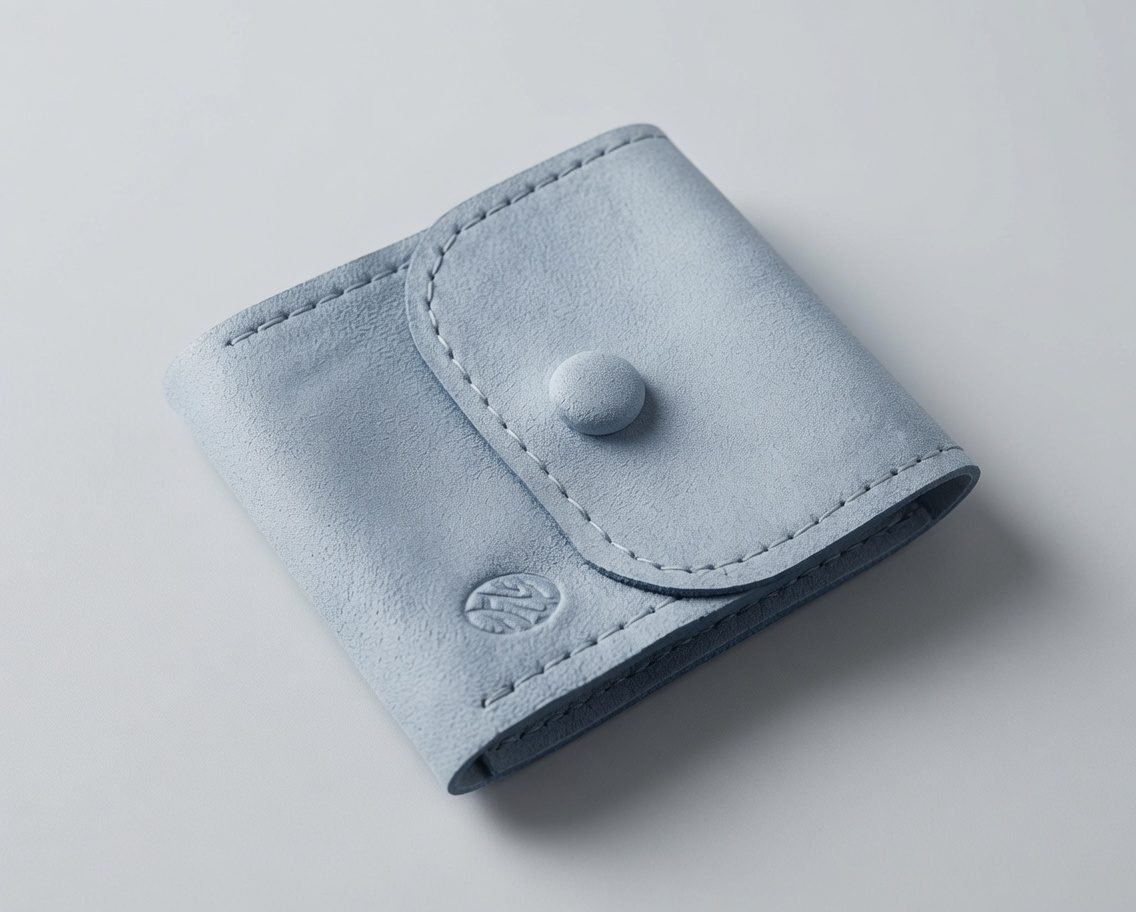
Logo application is one of the clearest examples. Foil stamping can add a crisp, upscale finish, especially in gold, silver, or subtle tonal effects. Screen printing can work well for cleaner modern branding. Embossed or debossed details, where suitable, can add texture and restraint.

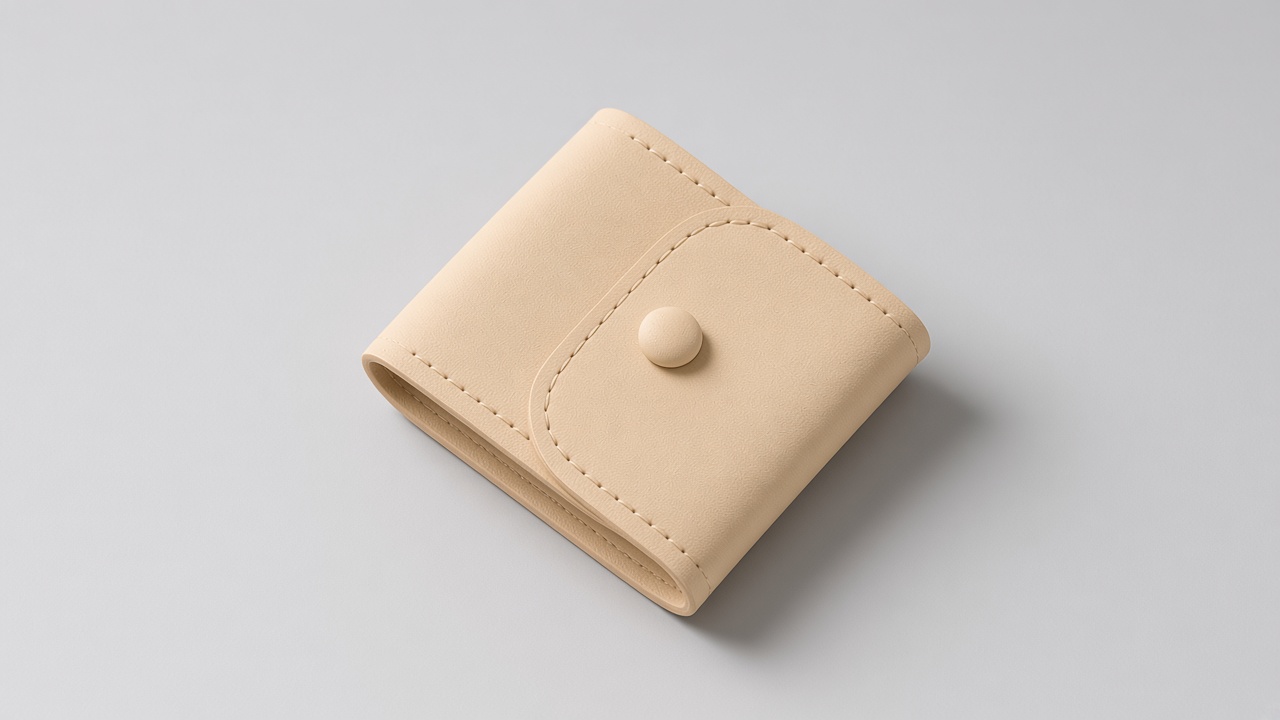
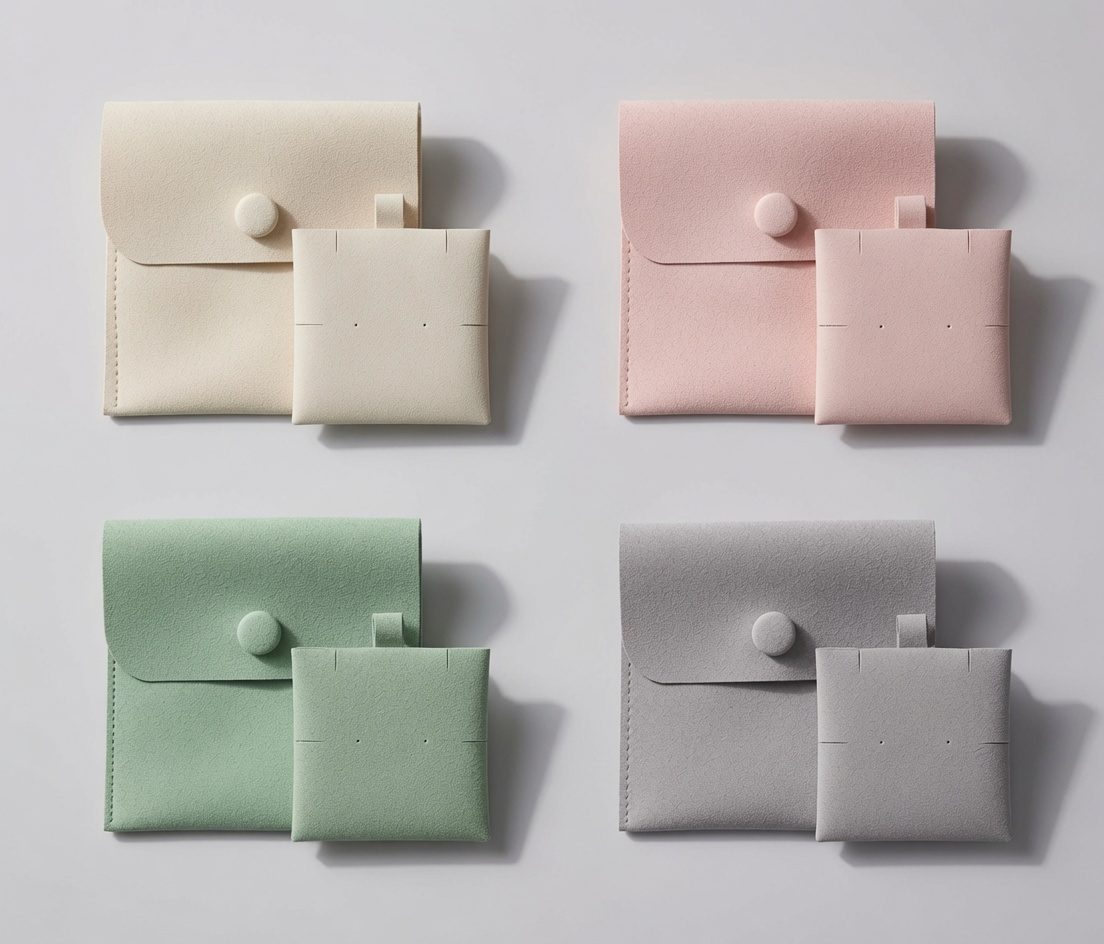
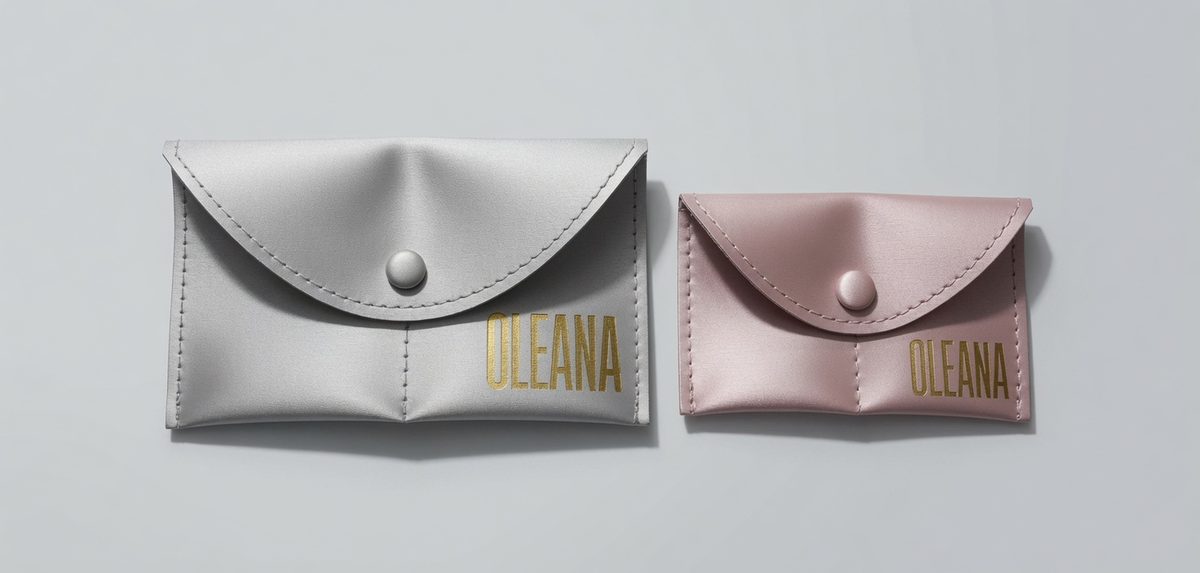
The closure style also changes the impression. A drawstring pouch feels familiar and versatile. A flap pouch can appear cleaner and more structured. A button or ribbon detail may suit select collections, though too much decoration can start to compete with the jewelry itself.

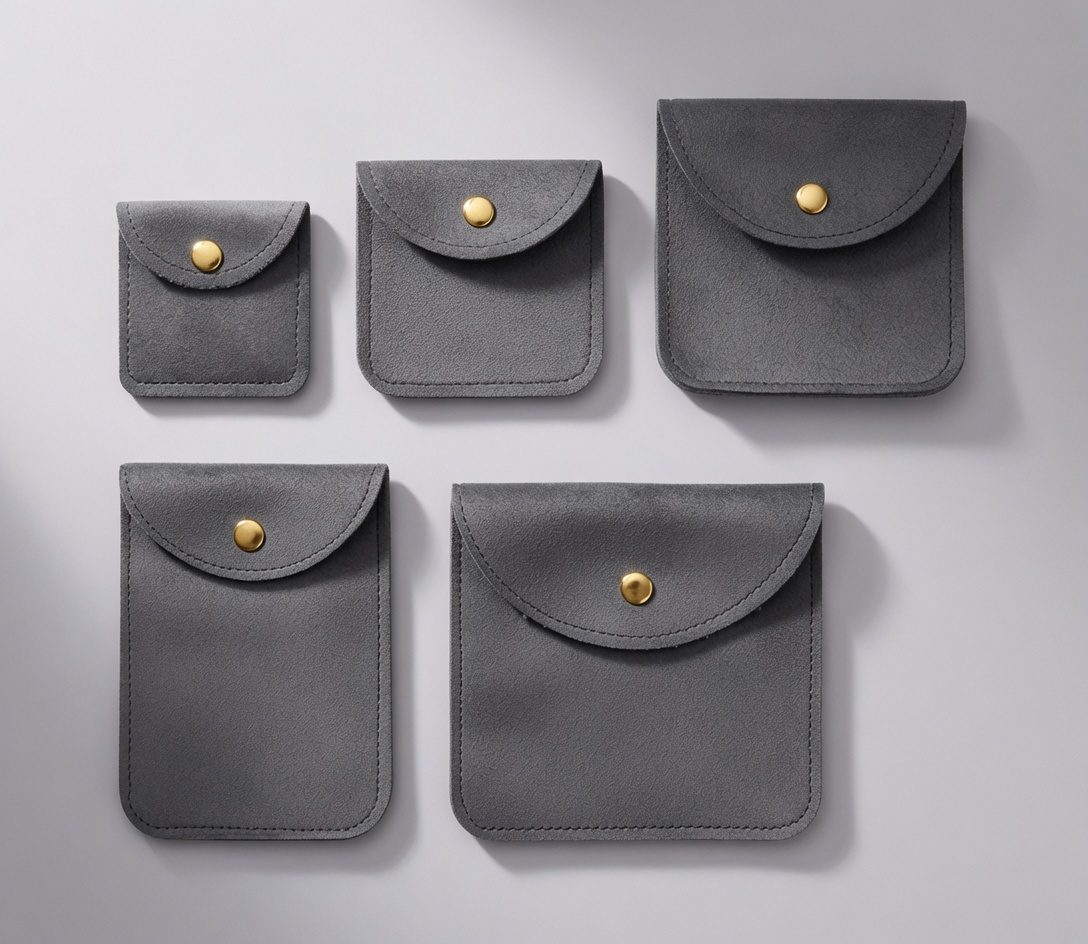
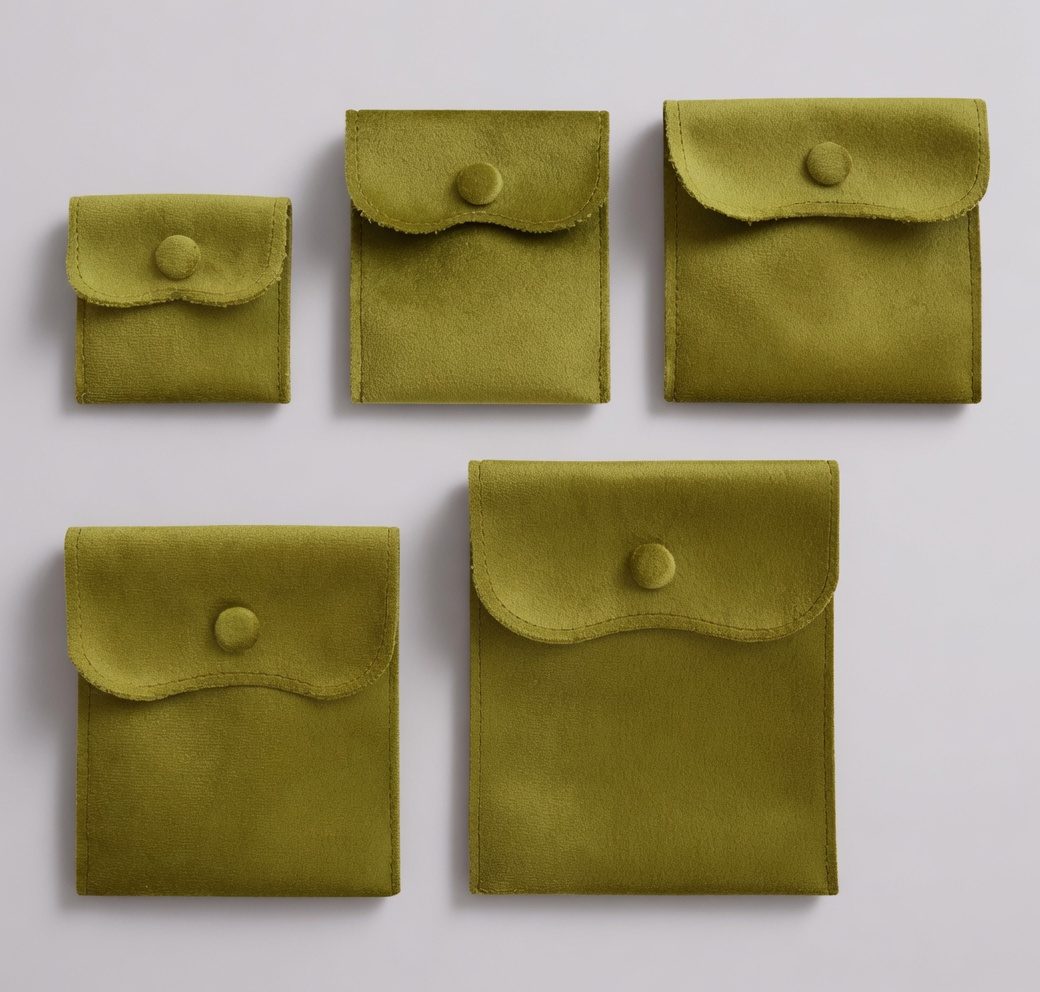
Sizing is another area where many brands miss an opportunity. Oversized pouches feel careless and reduce presentation impact. Pouches should fit the jewelry with intention. A ring pouch should not feel like a small gift bag, and a necklace pouch should not leave chains compressed or tangled. Good sizing improves both appearance and function.

Common mistakes when sourcing jewelry pouches

The most common mistake is choosing based on unit price alone. Jewelry packaging is judged in seconds, and customers read quality immediately. Saving a small amount per pouch can cost more in brand perception, especially for higher-ticket items.

Another mistake is treating pouches as standalone items rather than part of a presentation system. A beautiful pouch can still feel wrong if it clashes with the box, bag, or display language. Visual coordination matters because customers experience packaging as a whole.

There is also the issue of overbranding. In premium jewelry presentation, restraint usually performs better than noise. A small, well-finished logo often feels more expensive than a large, loud mark.

This is where a specialized jewelry packaging manufacturer has an advantage. The difference is not only production capability. It is understanding how soft goods, boxes, shopping bags, and retail displays work together to strengthen perception at the point of sale.

How to evaluate suppliers for the best branded jewelry pouches

Ask to see material options in person whenever possible. Photos can hide hand feel, thickness, and stitching quality. Review logo clarity, edge finishing, and color consistency. If your brand operates at a premium level, sample evaluation should be handled with the same care you would give to product merchandising.

It also helps to ask whether the supplier understands jewelry-specific use cases. Pouches for cosmetics, accessories, or promotional products do not always translate well into jewelry presentation. Jewelry packaging needs a different standard of proportion, softness, and detail.

For businesses building a coordinated brand presentation, a focused packaging partner is often the better long-term choice. Companies like Box Father work within the jewelry category itself, which allows packaging decisions to support merchandising, gifting, storage, and visual consistency across the full customer experience.

The best branded jewelry pouches do not need to be extravagant. They need to feel intentional, beautifully made, and aligned with the value your jewelry promises before the customer even puts it on. When that alignment is right, a small pouch can do a remarkable amount of brand work.


留言


Contact us
  • Youtube
  • Whatsapp
  • Instagram的社會圖標

Rm B (43), King Win Ind. Build., 65-67 King Yip Street, Kwun Tong, Kowloon, Hong Kong

Email : millerwong@boxfather.com

© 2026 by Box Father Company Limited. All rights reserved.

bottom of page