
China factory-direct
How to Brief a China Factory for Custom Jewelry Packaging
This Box Father guide helps jewelry brands and retailers prepare a clear brief for China factory-direct custom packaging — boxes, pouches, bags and displays. It covers what to specify before an RFQ: product types, sizes, materials and lining, inserts, branding and artwork, retail vs e‑commerce use, sample approval and QC questions. For the production path after you brief, see the custom packaging process.
Prepare your brief, then start via the custom packaging process or Get a Quote.
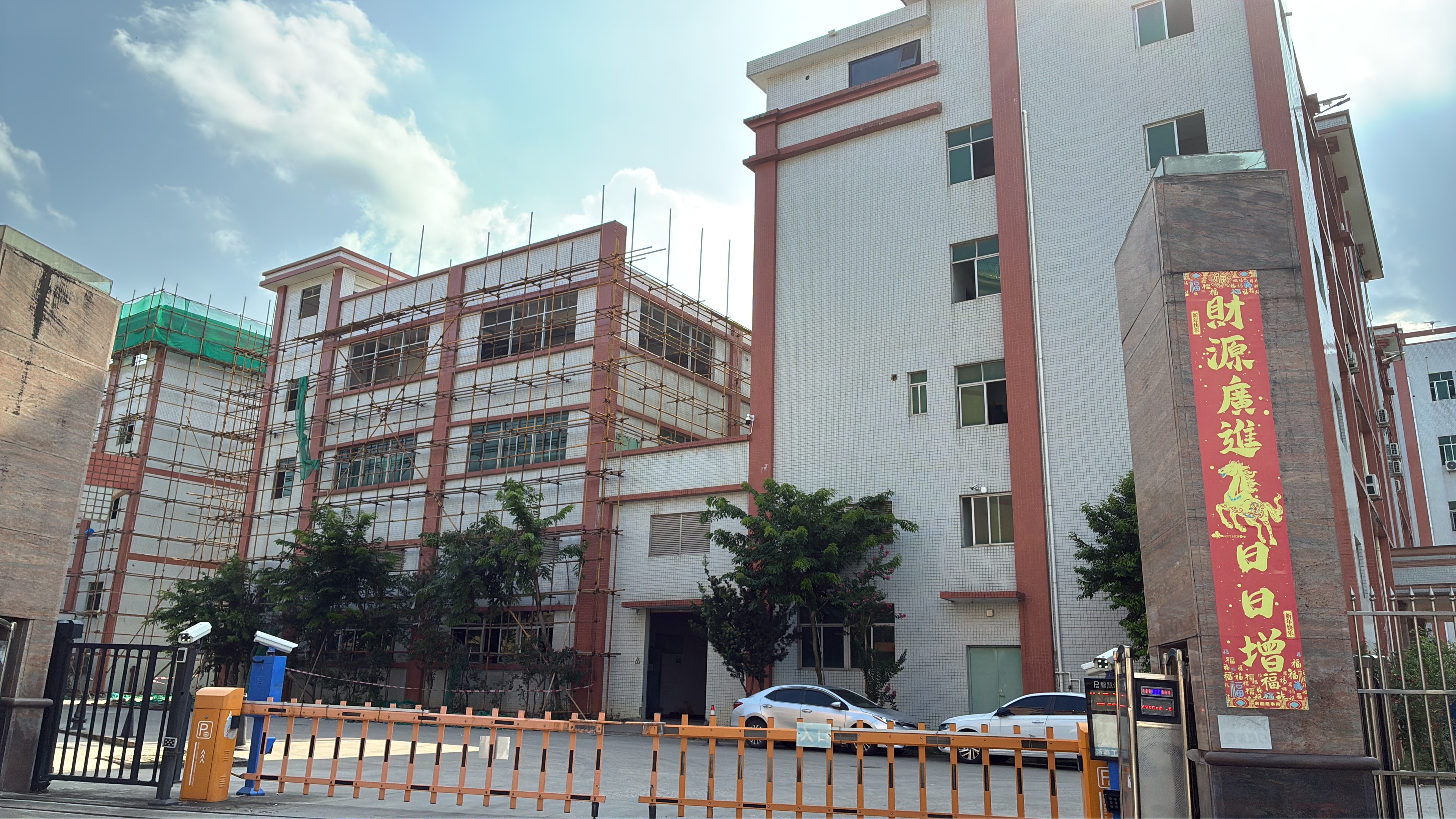
Why a clear brief matters for China factory-direct packaging
Factory-direct makers build custom jewelry packaging from your brief — size, structure, material, color and branding — not from an off-the-shelf stock catalog. When those details are incomplete, samples take longer and remakes become more likely. A written RFQ checklist protects brand fit before production starts.
This guide is for brands, retailers and wholesalers preparing a first (or next) custom enquiry. Box Father is a China factory-direct jewelry packaging partner with in-house design support and QC. After you brief, follow the path on the custom packaging process page.
What to prepare before your RFQ (checklist overview)
Use the sections below as a one-page brief you can paste into email, WhatsApp or the quote form. Save this list, then enquire when ready.
- Product types & packaging scope
- Sizes, fit & structure notes
- Materials, lining & outer finish
- Insert needs
- Branding & artwork
- Channel: retail handoff vs e‑commerce unboxing
- Quantity direction & destination
- Sample approval criteria
- QC points to ask about
1. Product types & packaging scope
Start by naming which categories you need now: boxes, pouches, shopping bags, jewelry displays — or a coordinated set across more than one. Say which jewelry types the packaging must hold: ring, pendant/necklace, bracelet/bangle, earring, or a multi-piece set.
Also say whether you want one SKU family or a matched system across categories (for example boxes + pouches + bags that share finish, color and branding). For planning order and consistency rules, see how to build a matched jewelry packaging system. Product depth lives on each category page:
2. Sizes, fit & structure notes
Share jewelry dimensions — or sample pieces, CAD, or photos with scale — so insert and outer structure can be built around the piece. Note presentation style: how the lid opens, single vs dual ring, pendant well, bracelet channel, pair earring hold, or multi-compartment set tray. Describe intent; the factory confirms structure.
Rigid box vs folder-style (common for pendant/necklace) are options to discuss — not a stock claim. Bring your own measurements; this guide does not publish a size chart.
3. Materials, lining & outer finish
Name preferences using materials already used across Box Father lines: suede, velvet, leatherette, microfiber. Vertical manufacturing spans plastic · cardboard · MDF, so structure and finish can stay under one roof. For soft goods (pouches), say if the pouch should feel travel-ready or gift-ready. For a deeper materials decision guide — feel, use case and care before you sample — see jewelry packaging materials.
Share color direction with a PMS reference, brand swatch or reference photo — finishes are developed from your brief. Describe any contact-surface preference for jewelry (what you need the lining to do); exact specs are confirmed at sample. Ask to see current material options when you enquire.
4. Insert needs
Explain what the insert must do: secure sit when the lid opens; dual ring; pendant well; chain management; bracelet length/width clearance; pair studs, drops or hoops; or multi-piece trays. Note soft-touch interior vs a firmer hold, and whether inserts must align across a set of box SKUs.
This guide stays at “how to describe it.” For matching inserts by jewelry type (ring, pendant, bracelet, earring and sets), see the jewelry box insert guide. For outer structure examples by jewelry type, see custom jewelry packaging boxes.
5. Branding & artwork
List where branding should live: exterior lid, interior, pouch face, bag print, display face — whichever locations matter for your brand. Common intents include discreet lid branding, interior logo foil, and matched finish/color/print across categories.
Attach artwork early: logo files, brand guidelines and print references. Specs and artwork are approved before production (the Confirm step on the process page). Print methods and fees are confirmed in Consultation — this guide does not invent a print catalog.
6. Channel: retail handoff vs e‑commerce unboxing
Say where packaging will be used: store counter gift, showcase/display, warehouse → DTC ship, or both. If you need one system for store handoff and e‑commerce unboxing, state both moments so finish, color and branding can align across boxes, pouches and bags. Deeper dual-channel guide → retail vs e‑commerce jewelry packaging.
- Retail floor / showcase → explore jewelry displays
- Unboxing and soft goods → pouches and shopping bags
- Destination / warehouse network (if known) — note it for Consultation; packing detail is a shipping conversation later
7. Quantity direction & destination (no published MOQ)
Share planned quantity direction and ship-to region — warehouse vs retail network — so a quote is useful. Share the quantities you are planning; the factory will confirm what fits current production. Destination affects packing and shipping discussion on the process page (Global Shipping); keep it light here.
8. Sample approval criteria (write these down before you sample)
List what you will check on sample: outer size and feel, insert fit with real jewelry, lining color, branding placement and legibility, open-and-close behavior, and multi-SKU consistency if you ordered a matched system. Writing pass/fail criteria in the brief helps sampling confirm material and insert before a production run.
Samples when needed sit in the Design/Sample step — see custom packaging. Ask for the current sample schedule when you enquire.
9. QC points to ask about (questions, not invented standards)
Frame quality as questions to include in your RFQ, not as published certifications or pass rates. Useful examples:
- Who reviews samples vs bulk?
- How are material and insert checked against the approved sample?
- How is branding consistency checked across a matched boxes / pouches / bags run?
- How are cartons packed for warehouse intake?
Box Father manufactures with in-house design support and QC as part of its China factory-direct process. Typical sample & production lead times — ask for the current schedule.
Ask for the current sample and production schedule when you enquire.
Where this brief fits in Box Father’s process
After you prepare the brief, the path is Consultation → Design/Sample → Confirm → Production → Global Shipping on the custom packaging process page. This guide stops at RFQ prep so it does not duplicate those steps.
Ask for the current sample and production schedule when you enquire. Start Consultation when your brief is ready.
RFQ checklist (copy-paste summary)
Paste into the quote form, WhatsApp or email:
- Product types & scope (boxes / pouches / bags / displays; jewelry types; one SKU family or matched system)
- Sizes, fit & structure notes (dimensions or photos with scale; lid / insert presentation intent)
- Materials, lining & finish (e.g. suede / velvet / leatherette / microfiber; plastic · cardboard · MDF; color refs)
- Insert needs (how each piece should sit; multi-SKU alignment if any)
- Branding & artwork (locations + logo / guidelines files)
- Channel (retail handoff, e‑commerce unboxing, or both)
- Quantity direction & destination
- Sample approval criteria (pass/fail list)
- QC questions you want answered
Ready? Use Get a Quote, WhatsApp, or email — see CTA below.
FAQ
Frequently asked questions
Educational answers for preparing a China factory-direct jewelry packaging brief — link out for process and quotes.
What should I include in a brief for custom jewelry packaging from a China factory?
Include product types (boxes, pouches, bags, displays), jewelry sizes and structure notes, material and lining preferences (such as suede, velvet, leatherette or microfiber), insert needs, branding and artwork, whether packaging is for retail, e‑commerce or both, planned quantities and destination, plus how you will approve the sample. Box Father develops size, structure, material, color and branding from your brief — then follows Consultation → Design/Sample → Confirm → Production → Global Shipping. See the custom packaging process.
How is briefing a China factory-direct maker different from ordering stock jewelry boxes?
Stock boxes are pre-made sizes and finishes. Custom jewelry packaging at Box Father is built around your jewelry and brand from your brief, then manufactured China factory-direct with in-house design support and QC — not as a middleman stock reseller. Prepare fit, materials, inserts and branding up front so sampling can confirm the design before production.
Which materials and linings should I name in my RFQ?
Start with the finishes you want buyers to feel — materials used across Box Father lines include suede, velvet, leatherette and microfiber; structure can involve plastic, cardboard and MDF under vertical manufacturing. Share color references and whether soft goods (pouches) should feel travel-ready or gift-ready. Exact specs are confirmed when you approve the sample; ask about current material options when you enquire. Deeper materials decision guide → jewelry packaging materials.
What insert details help a factory design the right box?
Describe how each piece should sit when the lid opens: single or dual ring, pendant well and chain management, bracelet length and width clearance, pair earring holds, or multi-piece set trays. Note if inserts must match across a collection. For matching inserts by jewelry type, see the jewelry box insert guide; for outer structures, see custom jewelry packaging boxes.
Should my brief cover retail stores and online unboxing separately?
Yes, if you sell both ways. Say whether packaging must work for counter handoff, showcase display, e‑commerce unboxing, or a matched system across boxes, pouches and shopping bags. Box Father can align finish, color and branding across categories when you need one look for store and ship. Explore jewelry displays, pouches and shopping bags alongside boxes. For deeper channel strategy, see retail vs e‑commerce jewelry packaging.
What should I check when approving a packaging sample?
Write pass/fail criteria before the sample arrives: outer size and feel, insert fit with real jewelry, lining color, branding placement, open-and-close behavior, and consistency across SKUs if you ordered a matched set. Approve specs, materials and artwork before production. Ask for the current sample schedule when you enquire — typical sample and production lead times vary; ask for the current schedule.
What QC questions should I ask a jewelry packaging factory?
Ask how samples are checked against bulk, how material and insert match the approved standard, how branding stays consistent across a multi-category run, and how cartons are packed for your warehouse or retail network. Box Father manufactures with in-house quality control as part of its China factory-direct process. Details are confirmed during Consultation and Confirm — start via custom packaging or Get a Quote.
How do I send my brief to Box Father for a quote?
Share your checklist (style references, quantities, material preferences and destination) via the Get a Quote form, WhatsApp at +852 4643 3384, or email [email protected]. Ask for the current sample and production schedule when you enquire.
Ready to send your brief?
Share product types, sizes, materials, insert notes, branding and destination — then ask for the current sample and production schedule.